Cultivating the Next Generation: A Visit to The Talking Farm
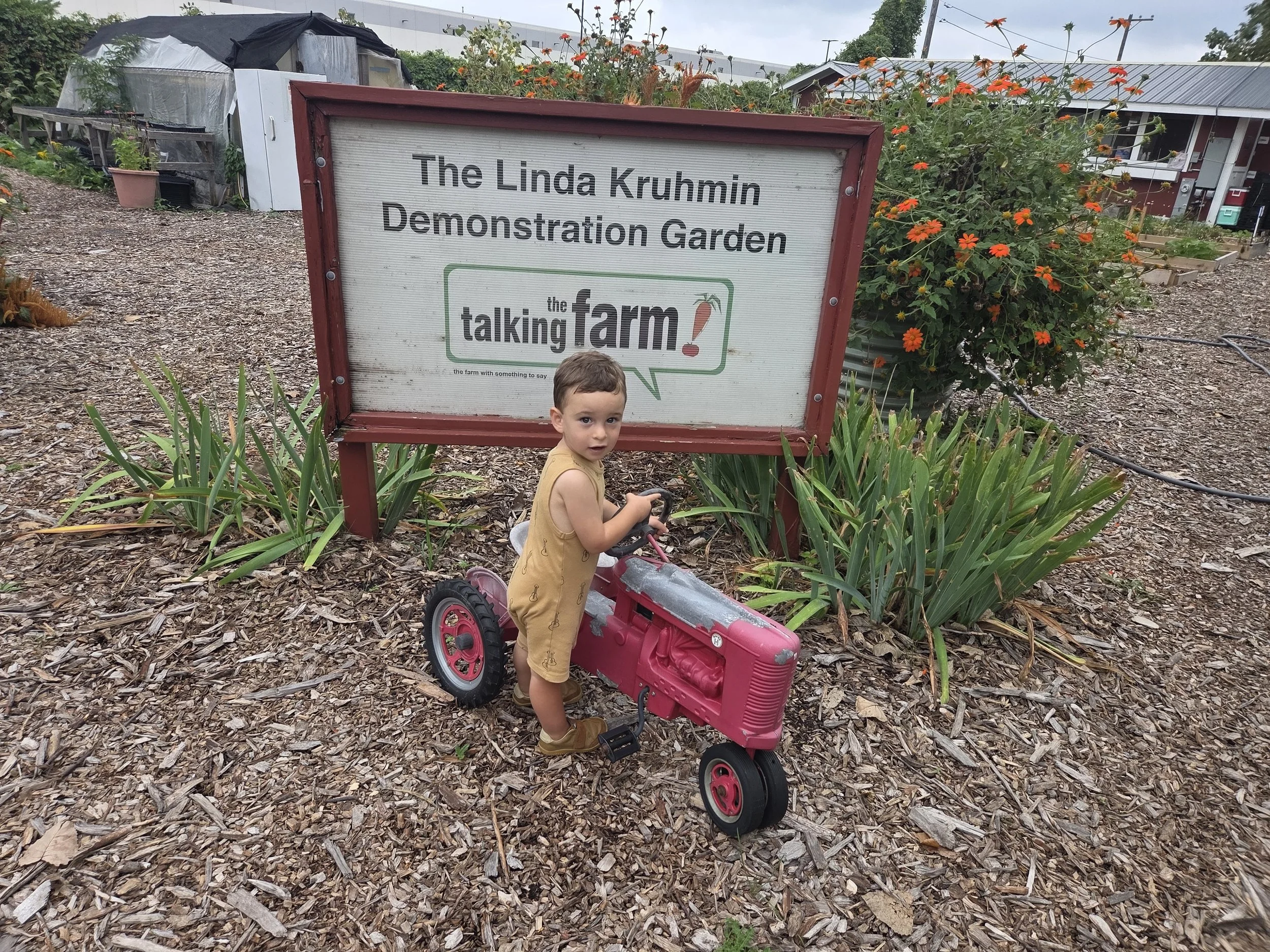
My toddler loved his visit to The Talking Farm last fall.
While my passion for healthy food and sustainable farming predates motherhood, that interest grew exponentially after my son was born. Thinking about how profoundly our environment and diet impact our wellness—especially for our children—I began to dig deeper into the benefits of regenerative agriculture and local food systems. I visited local farms and spoke with the farmers doing the mindful, often grueling work of transforming our food system, coming away with a renewed sense of hope. I also realized just how much conventional agriculture and the convenience of modern grocery stores have distanced us from the source of our food.
Though nature did not exactly gift me with a green thumb, I committed to doing my part by visiting farmers markets and seeking out better food for my family. While browsing The Talking Farm booth at the Skokie Farmers Market last summer, I discovered they were doing much more than growing organic produce; they were cultivating a community of educated, sustainable food-conscious citizens.
Our Farm Visit
After chatting with the market manager, Natalie, I connected with The Talking Farm’s Production Manager Jack, who kindly invited my toddler and me to visit the Howard Street Farm. As we toured the landscape filled with early fall crops and vibrant flowers, Jack explained their mission to promote sustainable agriculture through hands-on education for all ages—including preschoolers!
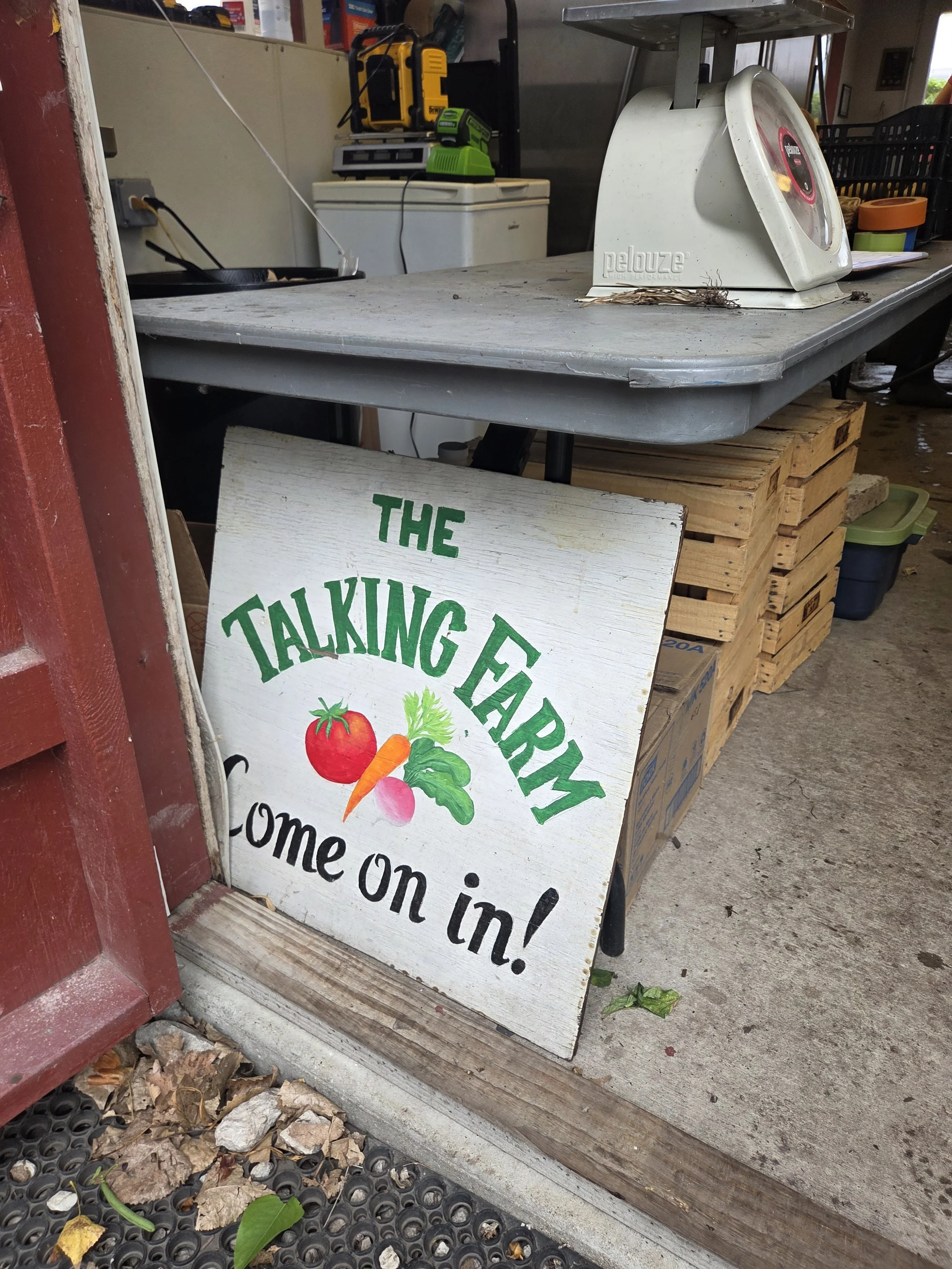
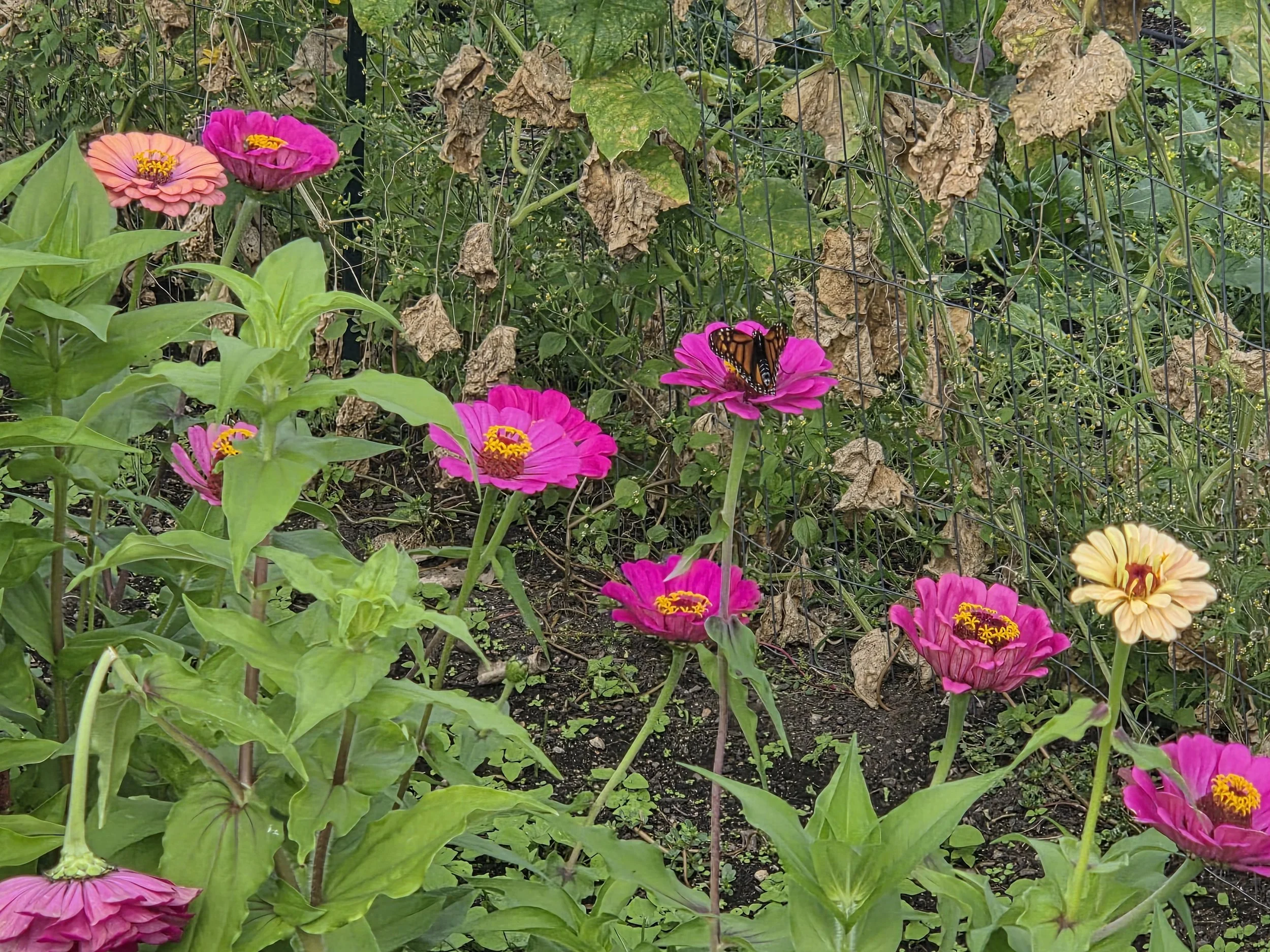
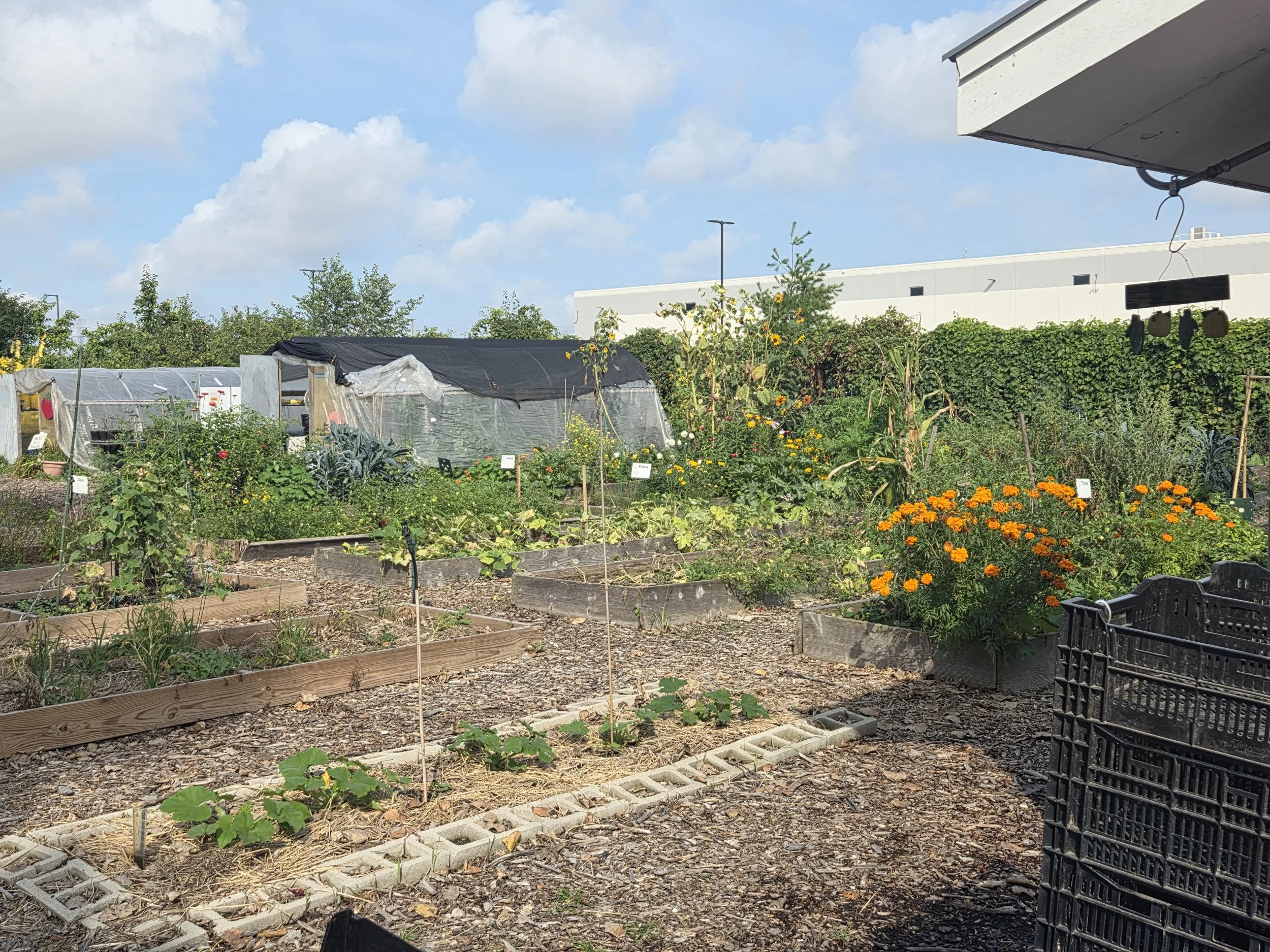
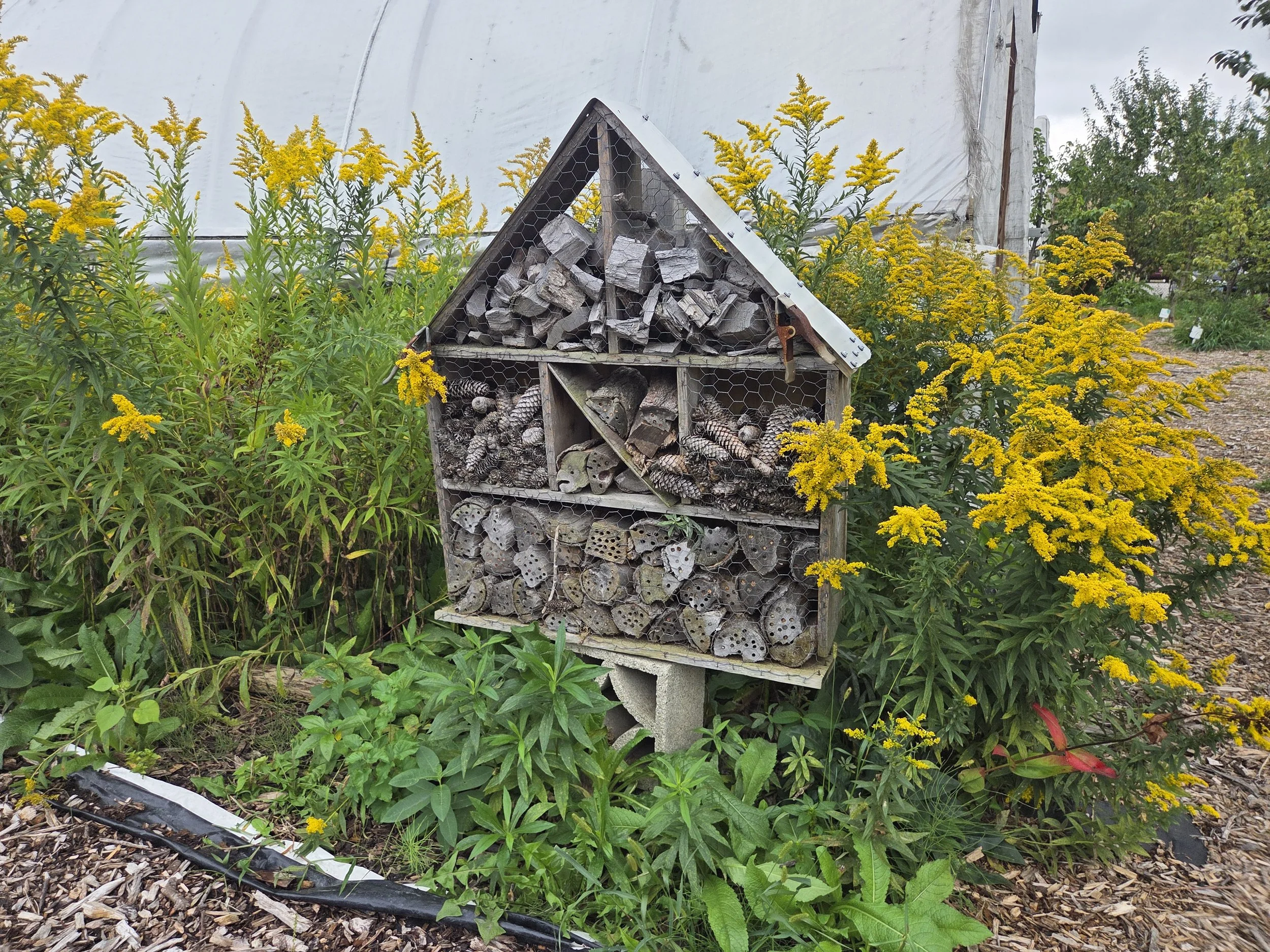
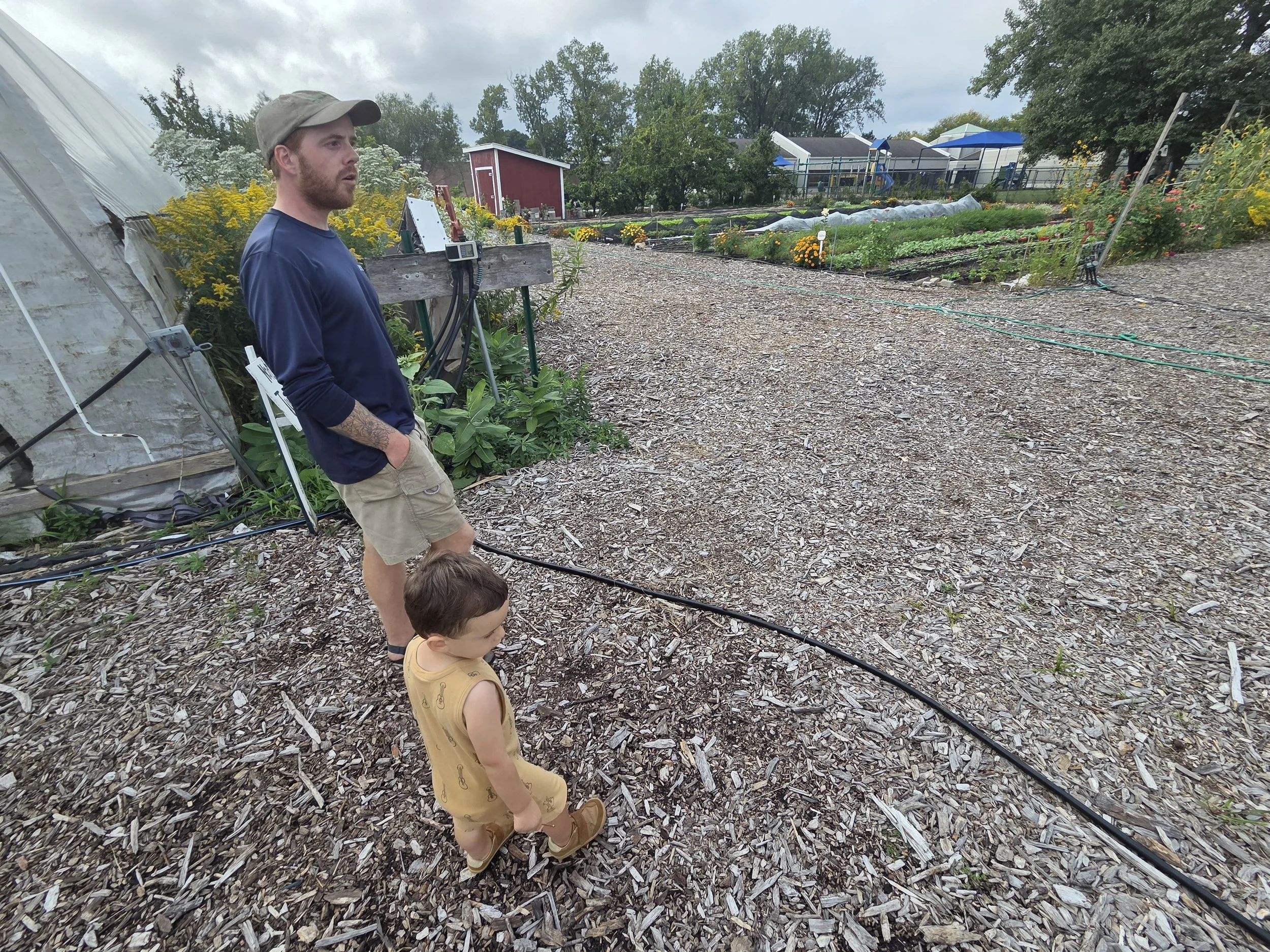
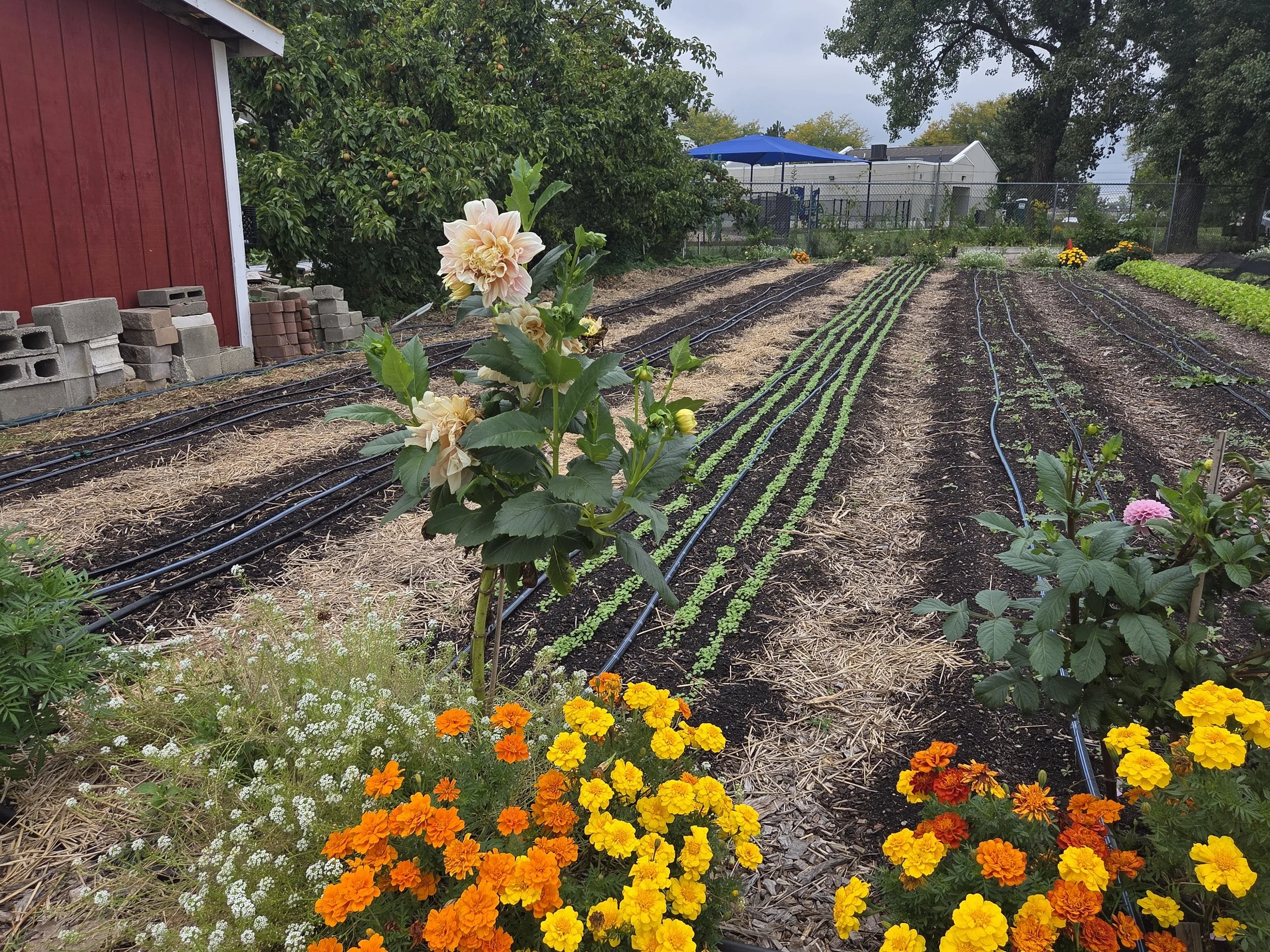
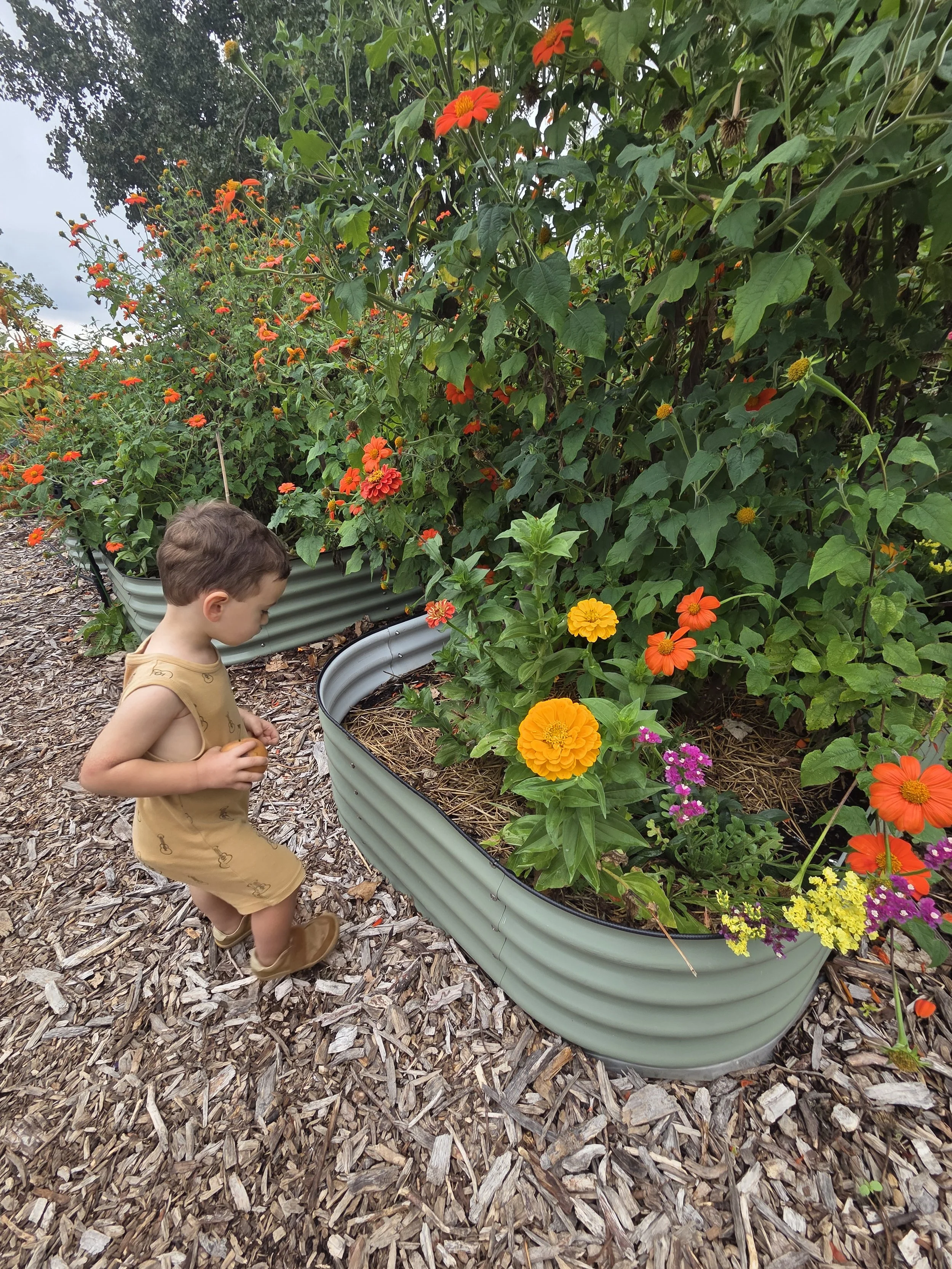
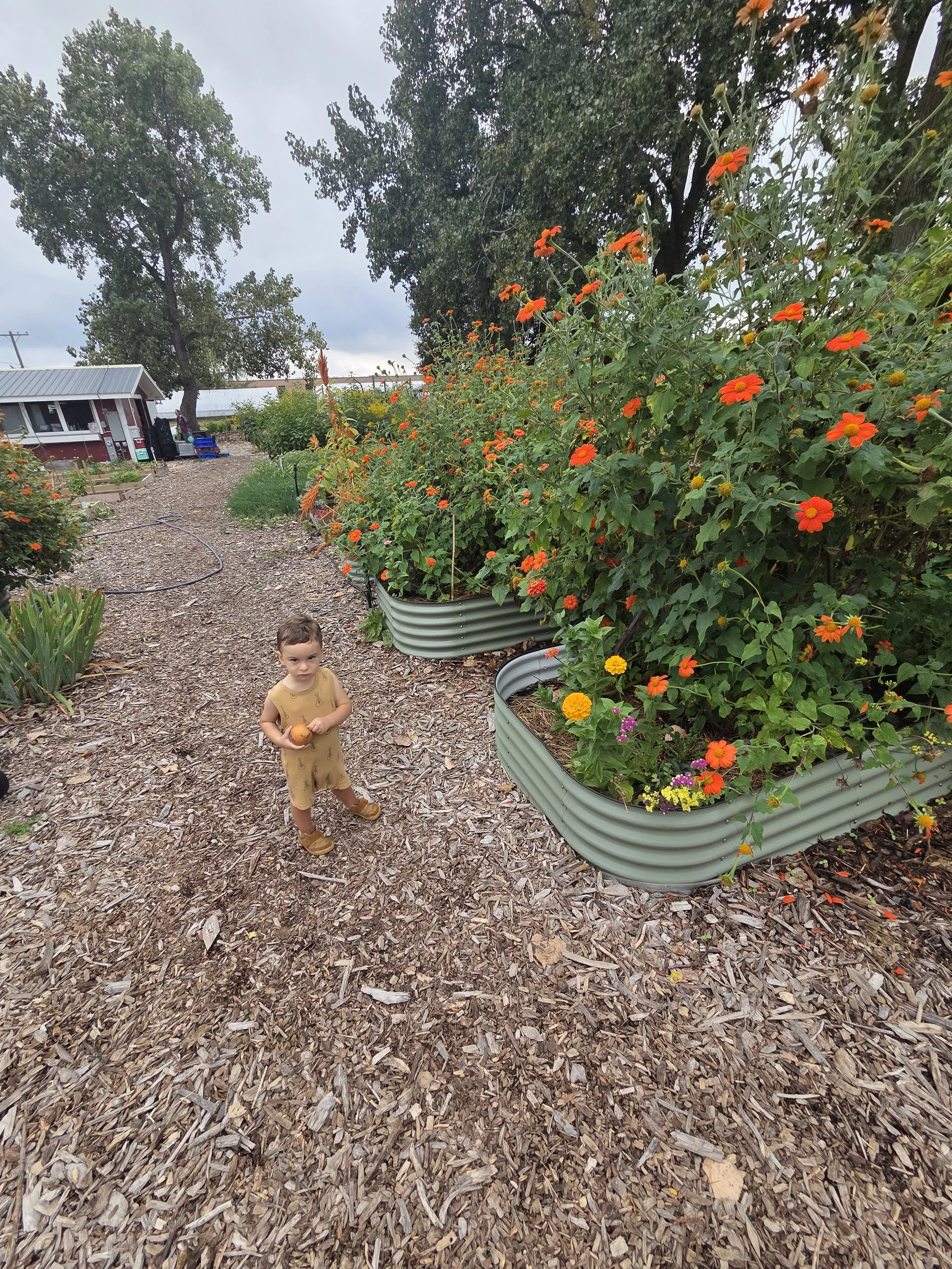
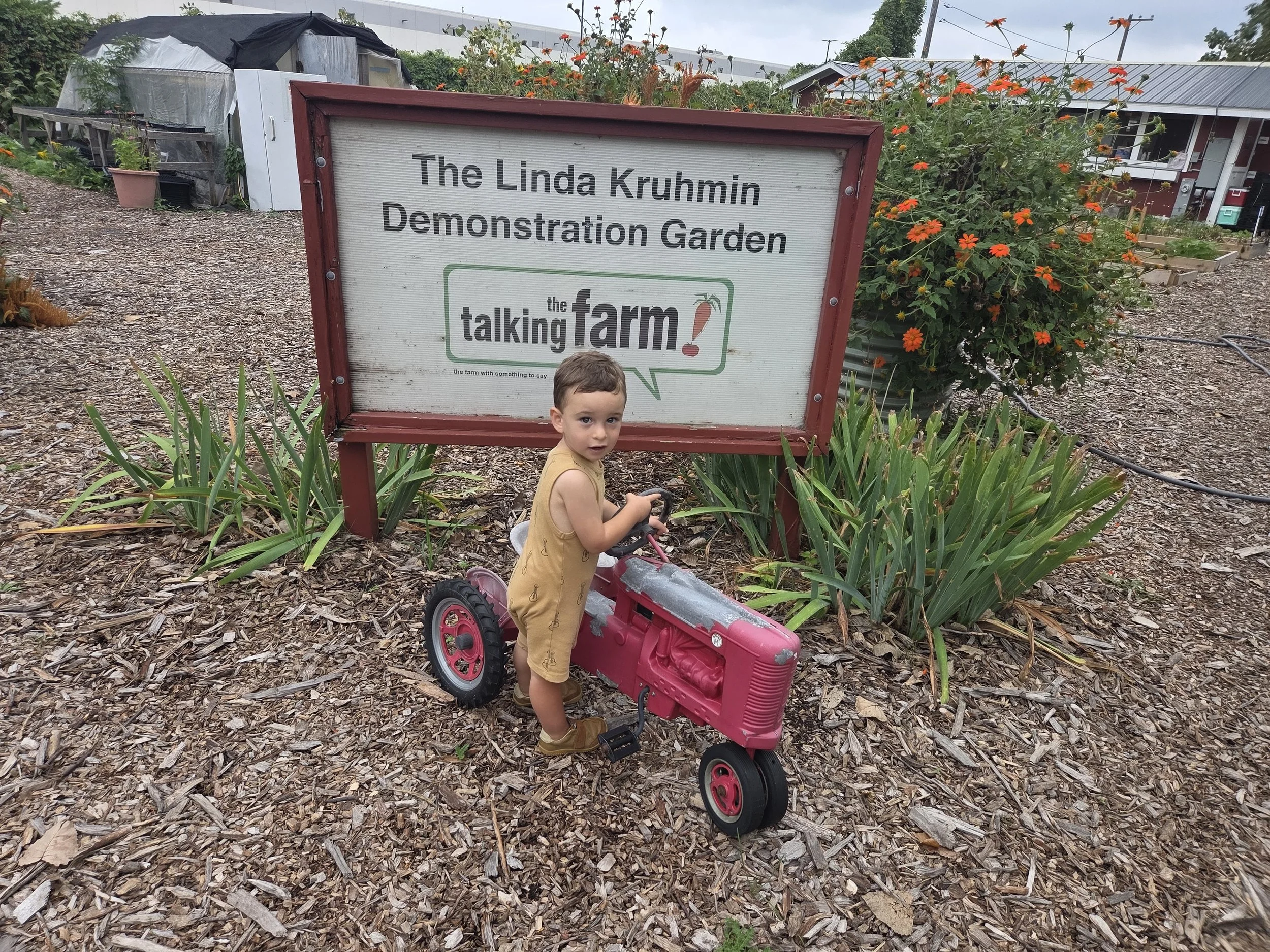
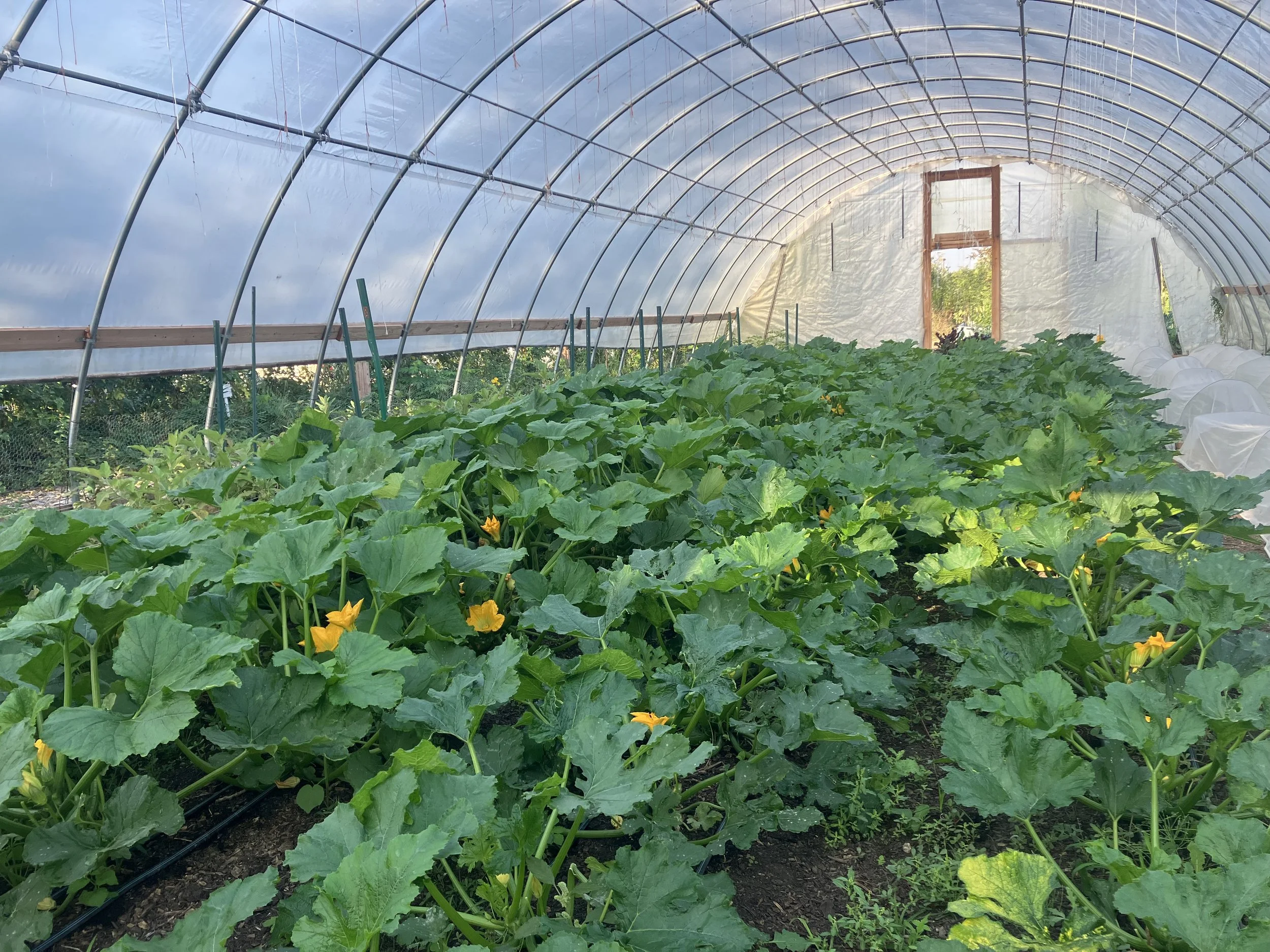
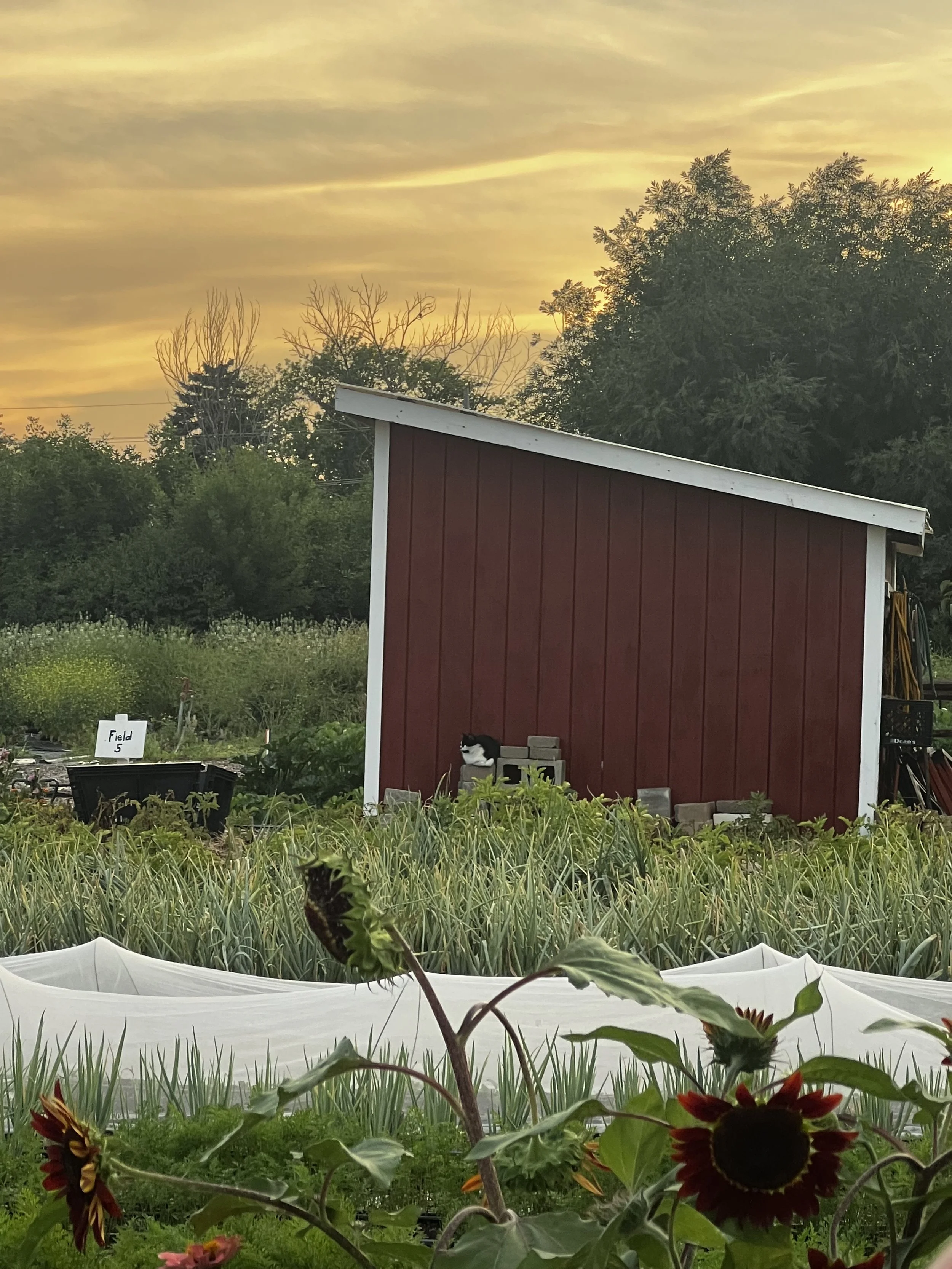
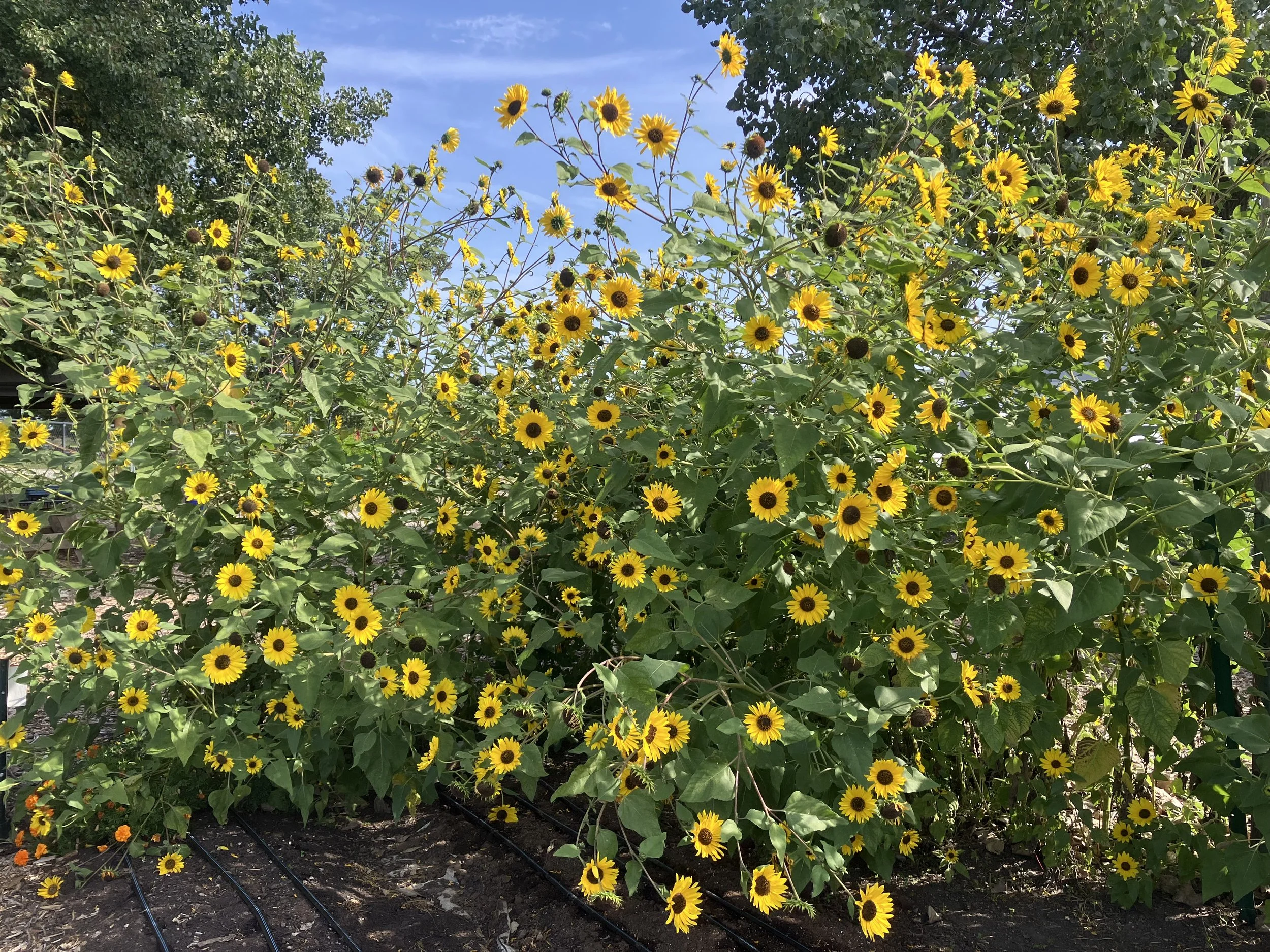
My son had turned two shortly before our visit and I was thrilled he got to have this experience. I want him to grow up appreciating where his food comes from and The Talking Farm makes this possible by allowing even the smallest "farmers" to get their hands in the dirt and explore. This mission is a core passion for the farm’s Educator and Programming Coordinator, Angela Stenberg.
With a gift of edible flowers and Asian pears in hand, my son and I headed home inspired. I knew I had to share this farm’s mission with our community: In the Q&A below, get to know Angela and Jack, learn about the incredible work they do, and find inspiration for getting your own little ones involved. Then, see how you can join us here to experience it for yourself!
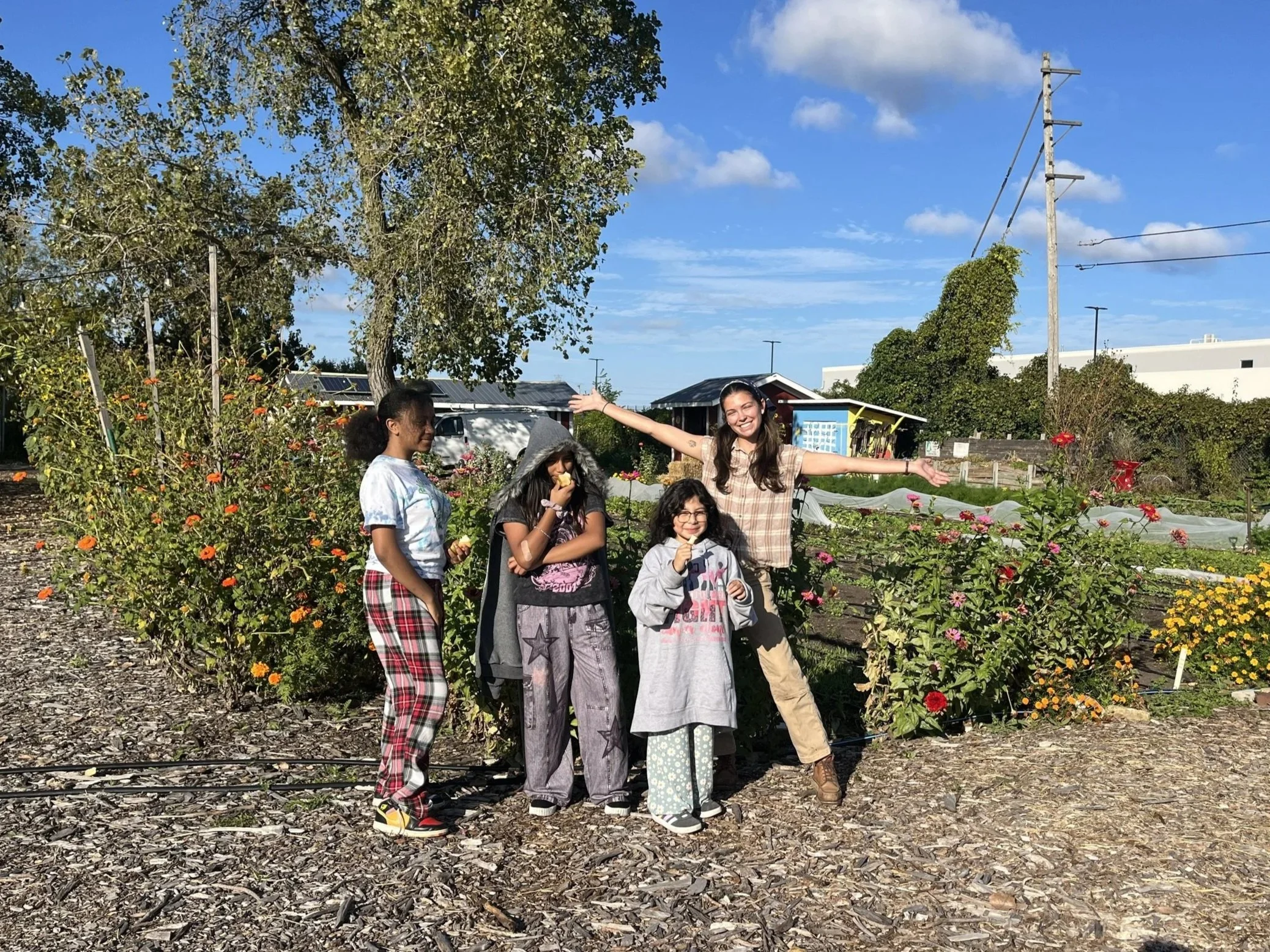
Photo courtesy of The Talking Farm
Meet Angela Stenberg: As the Educator and Programming Coordinator, Angela leads the farm’s hands-on initiatives in nature, science, and gardening. She brings the mission of sustainable farming to life for everyone from preschoolers to retirees, both at the Howard Street Farm and throughout the community.
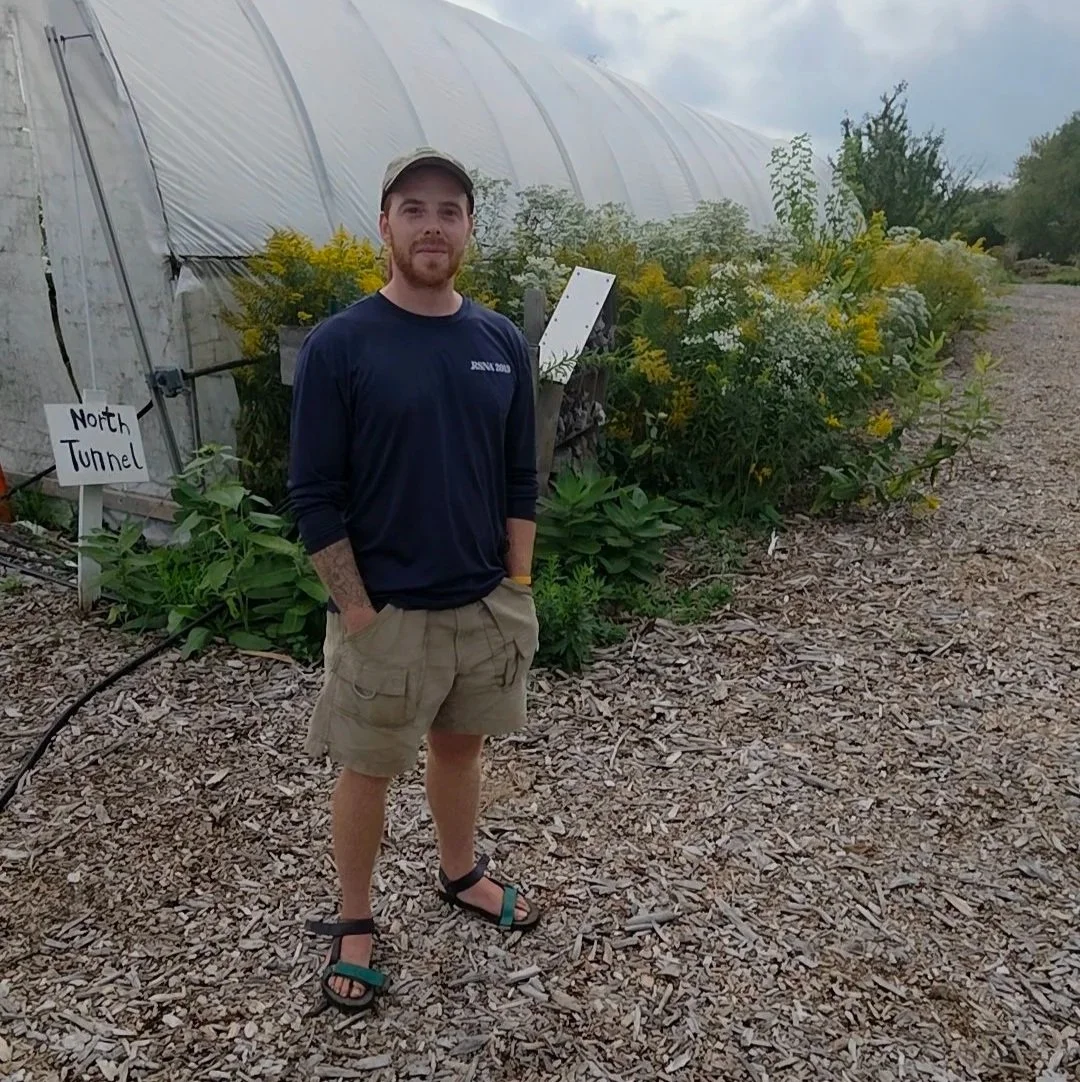
Meet Jack Phillips: As the Production Manager, Jack oversees crop planning and daily operations to ensure the farm delivers top-tier produce to the community. With a B.S. in Environmental Studies from the University of Vermont, Jack brings a wealth of experience from urban farming projects across Utah, Michigan, and the Chicagoland area.
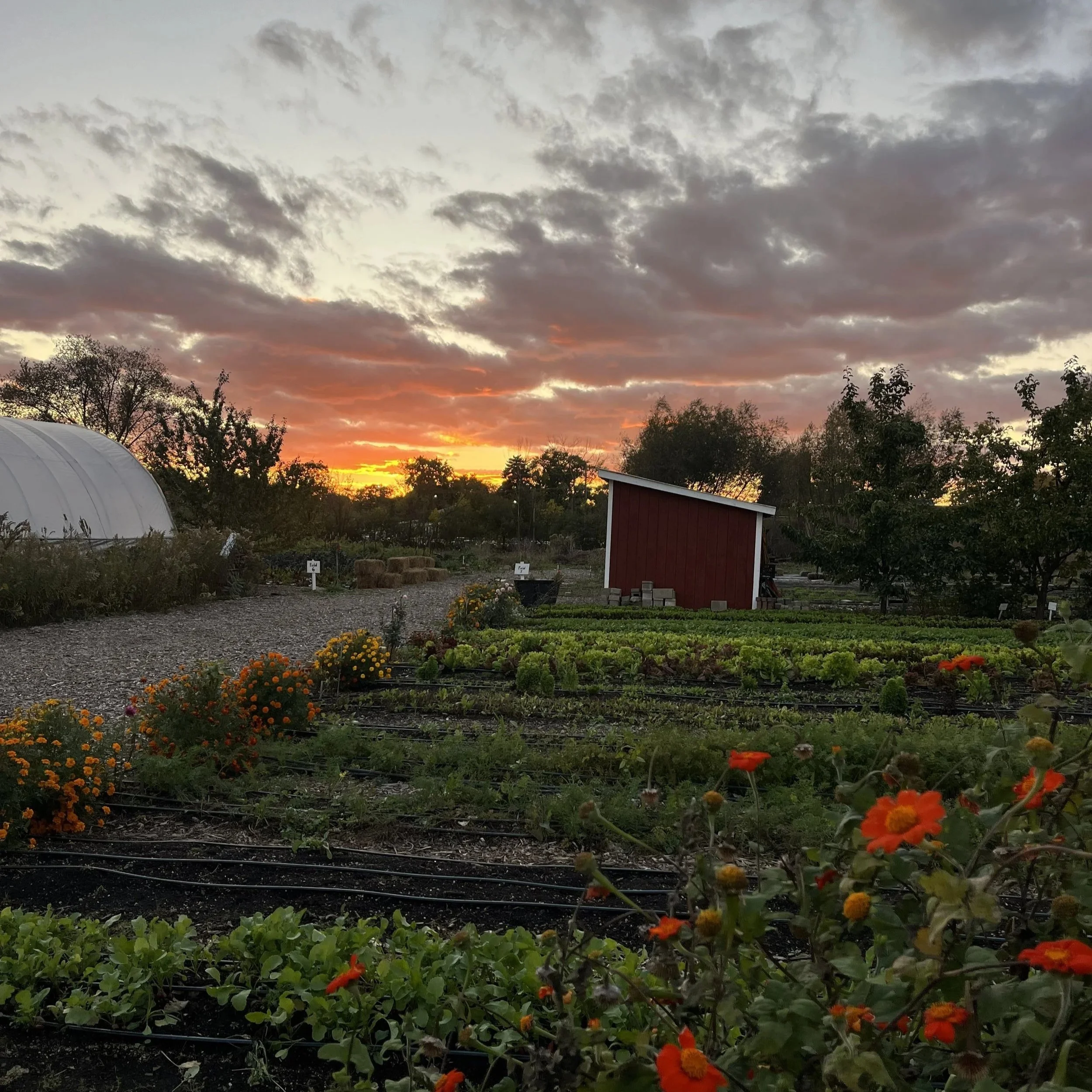
Photo courtesy of The Talking Farm
About The Talking Farm: The Talking Farm is a non-profit dedicated to promoting sustainable urban agriculture through hands-on community education and the operation of the Howard Street Farm. By partnering with local organizations and volunteers, they produce and distribute fresh produce to expand food awareness and preserve open spaces in an urban environment.
Q&A with the Team
What’s your mission?
Angela: To provide the community with local healthy food and a place for people of all ages and ability levels to learn how to grow food themselves!
Do you come from a farming background? How did you get into it?
Angela: Not particularly! Gardening had always been more of a hobby of mine, and I also worked on a farm and studied urban agriculture in college. My professional background is in nature education; I previously worked as an educator and visitor center manager with the National Forest Service. I came to The Talking Farm because it gave me the opportunity to work as an educator in a farm setting, which felt like the perfect combination of my skills and personal interests.
Jack: I do not come from a farming background, although my great-grandfather was a botanist, so I guess you could say I inherited some familial traits. I grew up tending a small backyard garden that I built with my dad, and I learned shortly after I left for college that so many social, economic, health, and environmental issues can be attributed to a failing industrial food system. The realization that food systems—while part of the problem—are also a solution to these collective issues pushed me to become a farmer who focuses on healing the landscape as much as growing delicious, high-yielding crops.
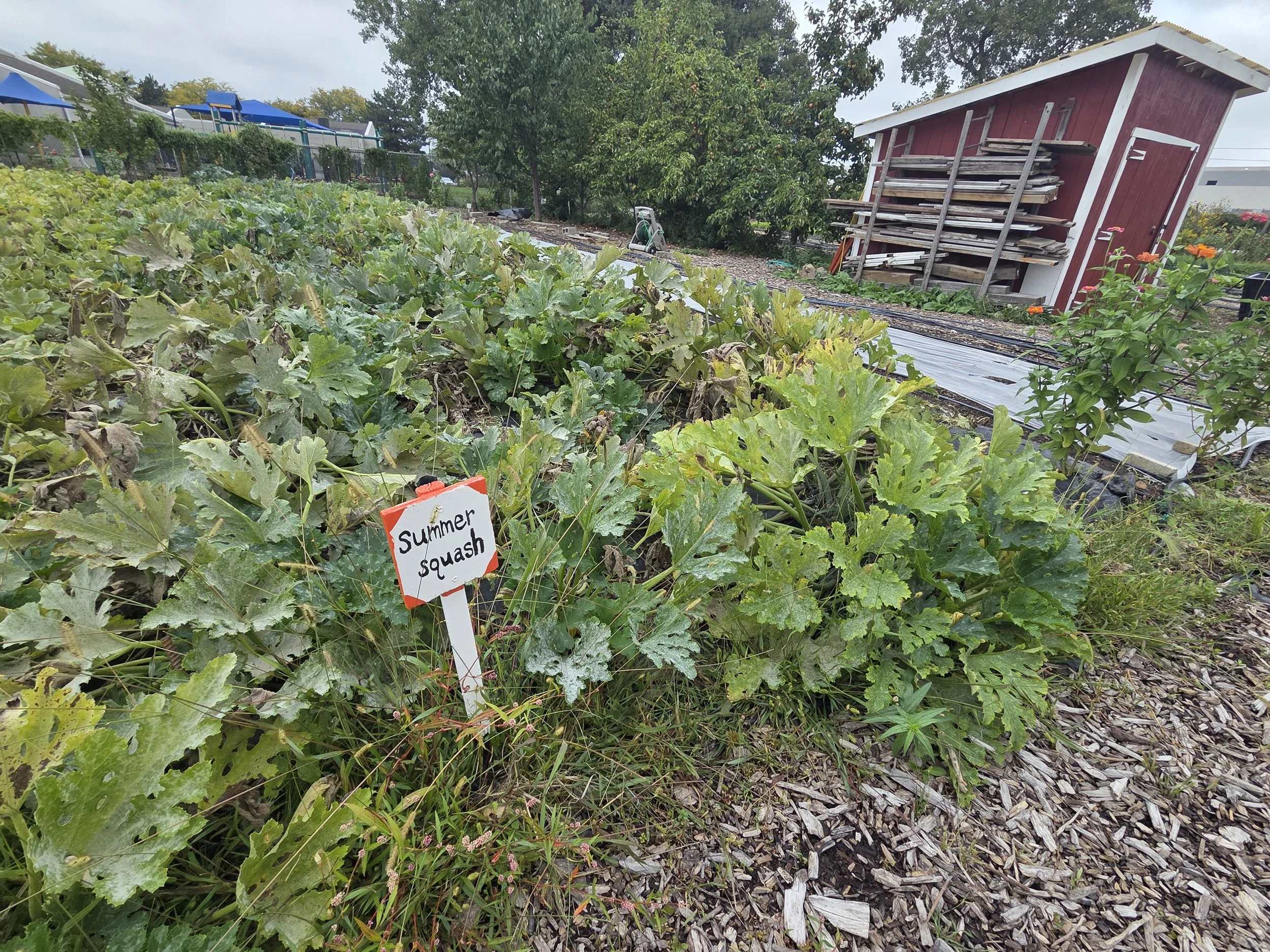
Why are sustainable farming practices important? Can you share what these are at TTF?
Angela: It's important to practice sustainable farming so that we can nurture and cultivate the earth to support and sustain us today, as well as future generations. A land that is consistently farmed with sustainable practices in mind will be productive forever! As the education coordinator, I don't directly employ sustainable tactics in production at the farm. However, in the local school gardens where I work, I ensure that only natural and organic insecticides and fertilizers are used, and that we are planting organic seeds. These fruits and vegetables are picked from the beds and eaten by the kids then and there, so it's very important that we know exactly what's on and in them!
Jack: There’s a theme in agriculture, especially industrial agriculture, that we as humans are meant to battle our elements. We battle unhealthy soils with industrial inputs, pest pressures with poison spray, and low yields with genetic splicing and patents. Unfortunately, we’ve sacrificed the health of our landscapes—and its inhabitants—as a result. At The Talking Farm, you’ll find our practices view healing the landscape with the same importance as growing delicious food. This can be effectively seen in our pollinator habitats, our commitment to using only organic practices, and our natural pest remedies (e.g., our farm cats eliminate mouse and rabbit issues).
The difference is astounding and is remarkably noticeable to anyone. It’s much more pleasant to stroll past a bed of sunflowers, watching the goldfinches hop between the flower heads and admiring the nice cabbages ripening underneath them, than it is to walk through a barren field of corn that’s had its soul ripped away from it. I digress; sustainable farming is not as subjective and magical as it’s sometimes painted to be. It’s still farming, and farming is difficult. But at the end of the day, building biomass (a fancy way of saying "increasing the diversity of life") is the most critical element in creating a food system that can feed people for generations to come. Objectively, I see how our techniques increase the diversity of life on our farm and how industrial farming operations lack this biomass.
What do you enjoy most about working at the farm?
Angela: I love getting to talk to and learn from people of all ages. I enjoy the unique insights that every age group has to offer about nature and science, from toddlers asking questions I had never thought of before, to high schoolers eager to learn more about the science behind plants, to adults sharing gardening wisdom that can only be gained from decades of growing your own food.
Jack: I enjoy being a steward to my community and providing them with fresh, high-quality produce. I enjoy looking at a farm that predates my arrival and seeing the long-term marks left by past managers (e.g., our orchard). I enjoy seeing all the birds, bees, mantises, field mice, hawks, butterflies, coyotes, and the life that finds its way to our farm.
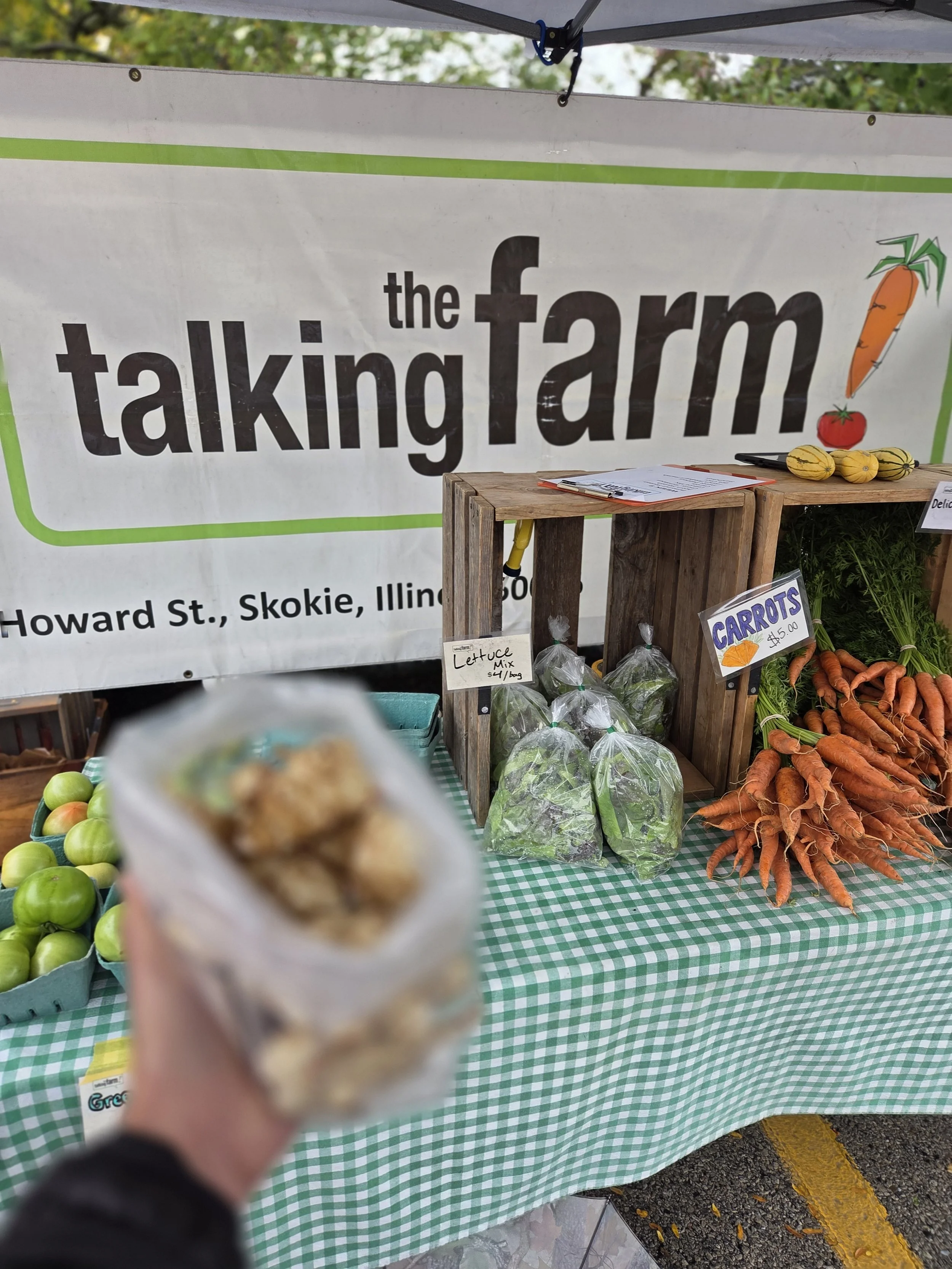
Where can people find your produce? What are some other ways to support your mission?
Jack: Starting in June, you can find our food at the Skokie Farmers Market on Sundays and the Andersonville Farmers Market on Wednesdays. If you’d like to receive a weekly or biweekly CSA share, you can sign up for one on our website. You can also make donations and/or sponsor the farm through our website. Even if you cannot do any of those things, you can still help our mission by spreading the word and supporting your local markets as much as possible!
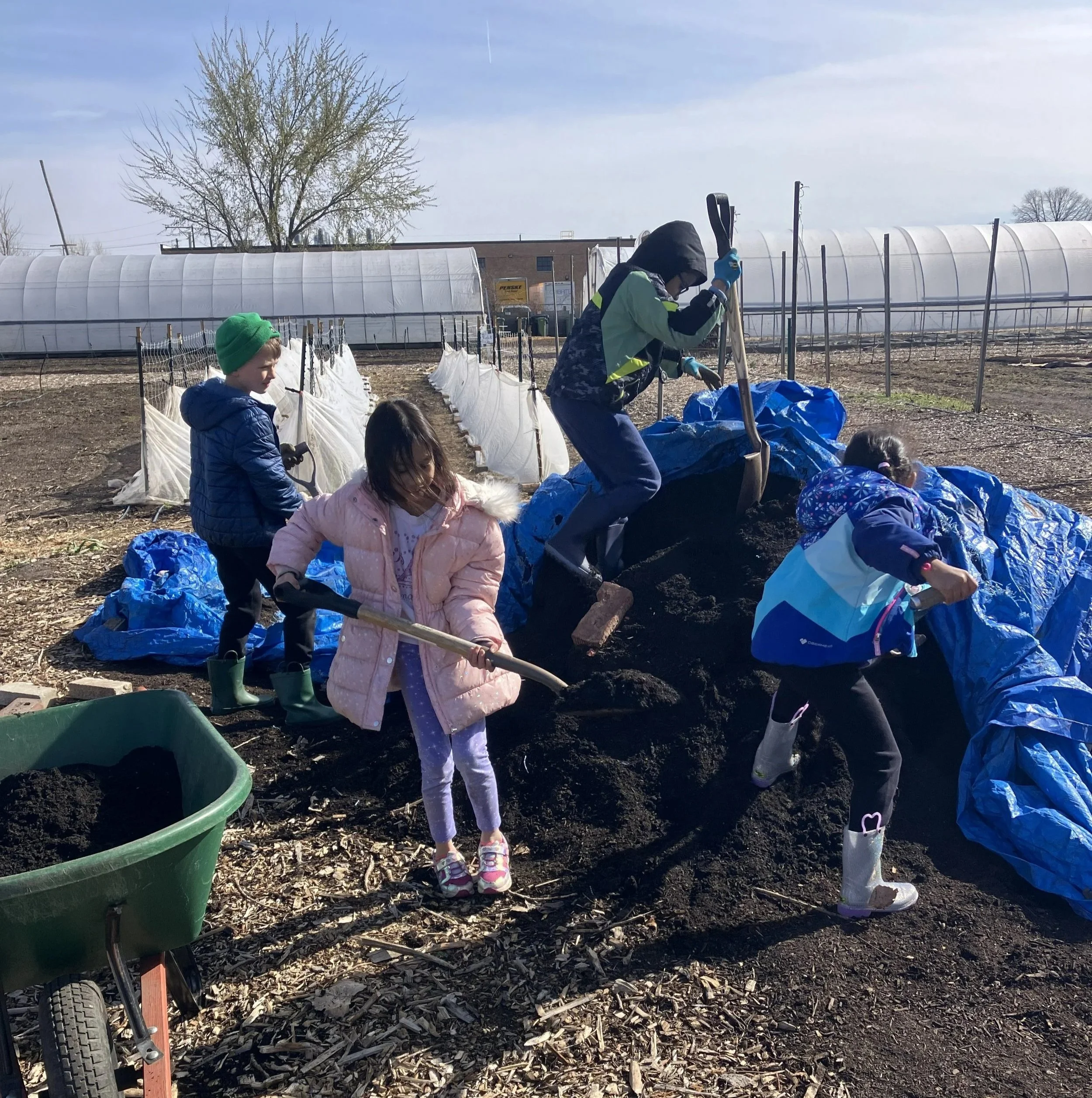
Photo courtesy of The Talking Farm
What kinds of groups do you work with at TTF? What are the benefits for each?
Angela: We work with people of all ages, from preschoolers to adults. We also work with individuals with physical and intellectual disabilities. Very young children get to learn the basic but spectacular joy of watching a seed turn into a plant and then into a fruit! Older kids have a chance to play outside with each other, interact with nature, and lean a bit more into the science of why learning to grow your own food is so important. Adults with disabilities are able to work on fine motor skills through planting and weeding, and are able to give back to their community through flower harvesting and bouquet making.
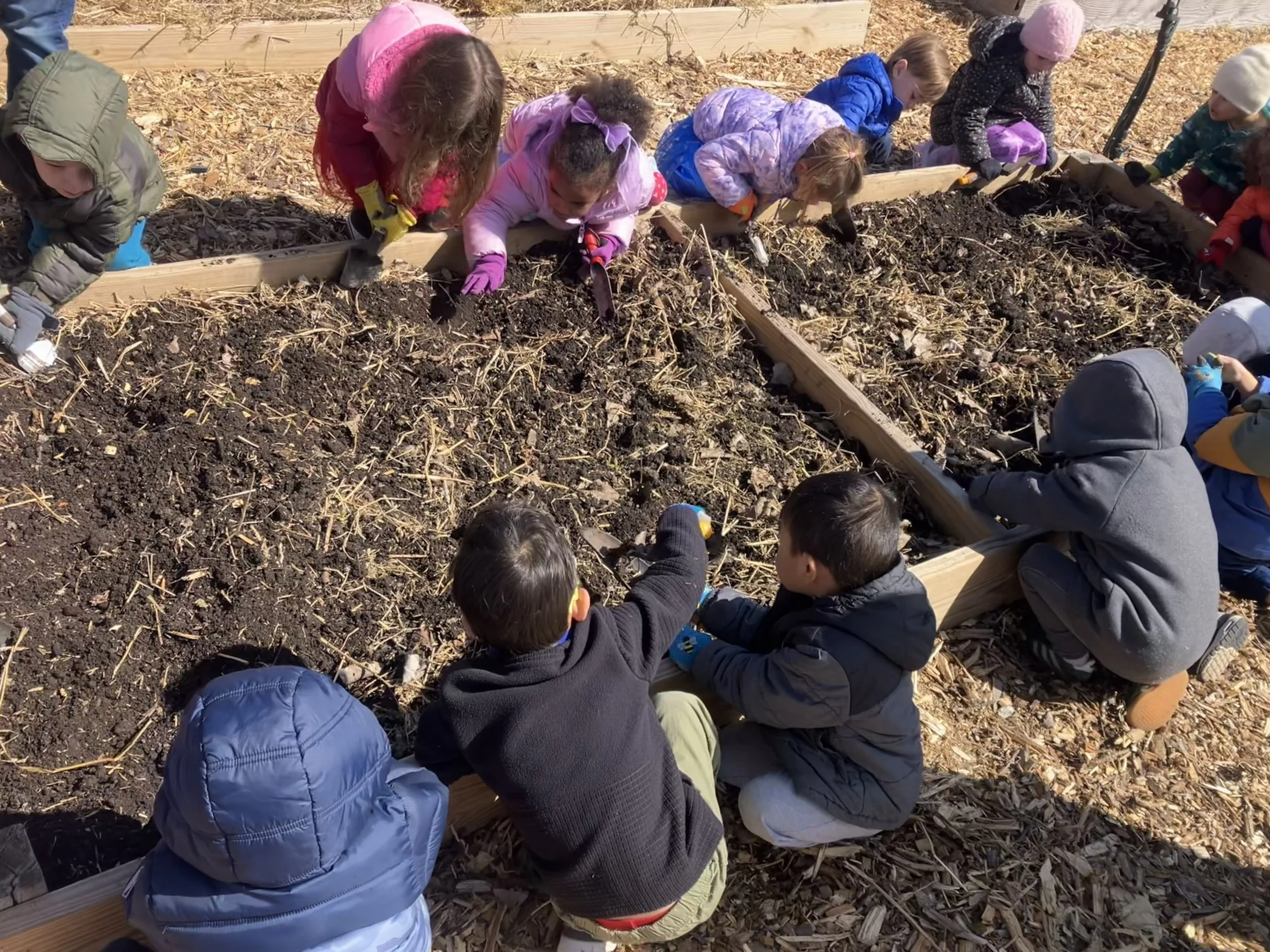
Photo courtesy of The Talking Farm
Even children as young as preschool age get to experience the farm. What do these "little farmers" gain from participating in your programs?
Angela: I love working with preschool-aged children because they are experiencing so much of what we see and learn about for the very first time. The hands-on part of farming is so important, and I think it's great for little ones to get their hands dirty in order to learn about nature and science. At this age, they can also begin to learn where all of the food they eat comes from and can understand the basics of how to grow some of that food themselves.
Jack: Little farmers learn from us what food is and where it comes from, but that encompasses so much more than just growing a carrot. We talk about soil health, why earthworms and decomposers are important, how seeds imbibe and germinate, and why farms use cats for pest control. The curriculum options are endless!
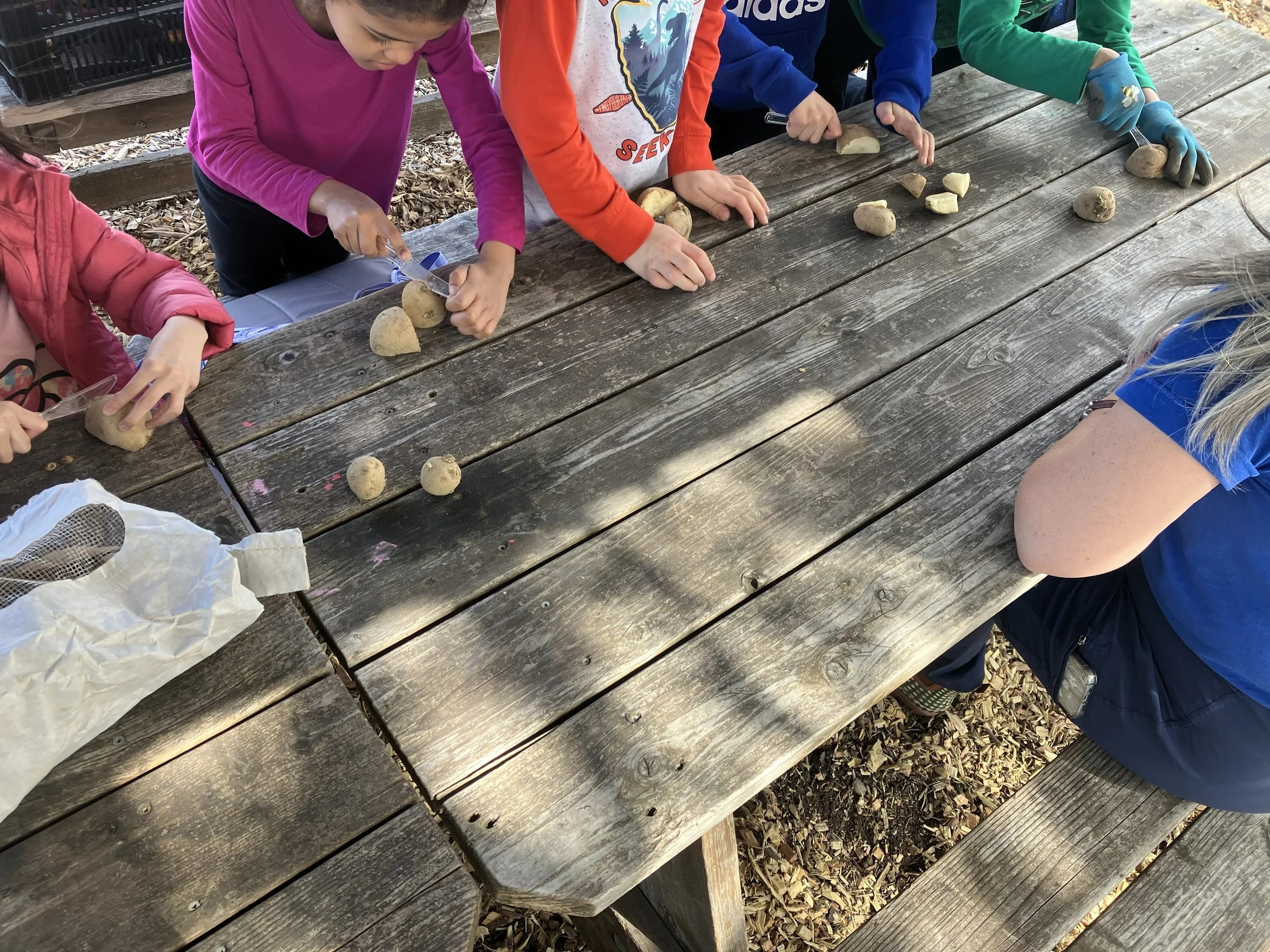
Photo courtesy of The Talking Farm
What can parents do to support and reinforce the education you provide?
Angela: Having some type of at-home garden—even if it’s just on a windowsill—is a great way to bring what kids learn at the farm into the home. More generally, anything parents can do to positively reinforce curiosity and interest in the natural world is incredibly important to a child's development.
Jack: Aside from immersing children in farms and growing food, I encourage parents to keep food and cooking an influential part of their children's upbringing. Let your kids pick out a meal or recipe, take them to the market and let them choose their own produce and ingredients, and walk them through the process of cooking the meal. We farm so our community can eat, and eat well!
Join Crunchy Culture at The Talking Farm!
The Crunchy Crew is heading to the farm! Join us on Tuesday, May 12th, for a special meetup and an exclusive educational session with Angela. It’s the perfect chance to see the farm in action and get your hands in the dirt.
Get the details and RSVP to join us here! And stay tuned—we have an exciting collaboration coming your way this summer!
