Modeling Wellness: Practical Tips for Busy Families with Coach Rebecca Glick

Rebecca and her daughter enjoying nature together. (Photos courtesy of Rebecca)
In an era of endless social media "shoulds” and “should nots", cutting through the noise to find what actually works for our families can feel like an exhausting task. As a wellness-oriented mom to a toddler, I’m passionate about building a healthy foundation: prioritizing nutrition, nature, and connection. Yet, I’ve found that even the best intentions can trigger a cycle of "wellness-induced stress." Am I doing enough? Am I being too rigid? Will he eventually rebel?
To find balance, I looked toward a strategy we often use in our careers but overlook in our personal lives: mentorship. I recently sat down with Rebecca Glick (a local mom of two middle school-aged kids and founder of Nefesh Living) for a conversation over a bowl of Pho at Basu Coffee Bar & Vietnamese Eatery in Northbrook. Rebecca’s holistic approach to physical and emotional health is exactly the kind of grounded wisdom I needed.
In the Q&A below, she shares practical advice for modeling healthy habits from grocery shopping, meal prep and snack choices to a simple kitchen refresh. I hope you find her insights as inspiring as I did, whether you’re a wellness veteran or just beginning this journey with your family.
Tell us about yourself and Nefesh Living
Hi! I’m Rebecca Glick. I live in the northern suburbs of Chicago with my husband, two daughters, and our rescue cockapoo, Freddie.
Aside from time living in Prague during college and two stints in New York (once for a summer internship and later for graduate school — where I also met my husband), I’ve always been a proud Windy City girl. I love living near the lake and spending as much time outside as possible. Getting a dog two years ago definitely helps make that happen in every season! I also enjoy pickleball, tennis, and weight training.
I’m the founder of Nefesh Living, a health and wellness coaching practice designed to help busy midlife women prioritize their energy, health, and overall well-being at a time of life when lifestyle habits — like balanced nutrition, consistent movement, quality sleep, and managing stress — can make a huge difference.
I often say I’m the missing piece of the puzzle in navigating health — helping bridge the gap between what you know you “should” do and what you actually do consistently. My approach focuses on small, intentional lifestyle shifts that lead to meaningful and lasting results.
I’m trained as a National Board Certified Functional Medicine Health Coach, executive coach, mind-body stress reduction expert, and organizational psychologist. That means I combine mindset coaching and behavior change tools with functional medicine principles that focus on root causes and lifestyle-based solutions.
But ultimately, it’s less about credentials and more about the real-life perspective I bring as a mom, former corporate professional, and change expert. My goal is to help clients shift habits and mindset in ways that actually work in real life — one small step at a time.
As a mom raising two daughters, I’m especially passionate about helping families build healthier habits that support both parents and kids.
Why did you start a health coaching business?
As a midlife mom myself, I know how easy it is to put your own needs on the back burner while caring for everyone else.
Through my own health journey, motherhood, and years of coaching experience, I’ve learned that you can’t pour from an empty cup — and you don’t have to keep running on empty.
After many years in corporate life, I felt a strong pull toward work that aligned more closely with health, wellness, and purpose — while also allowing more flexibility for my family.
The real wake-up call came after my family fled the July 4th parade shooting in Highland Park. That moment was a powerful reminder of how fragile and precious life is, and it pushed me to finally listen to my inner voice and pursue the work I felt most called to do.
I created Nefesh Living as a space for midlife women to feel seen, supported, and empowered — a place where they can build simple, sustainable habits that support their energy, health, and resilience in the midst of full and demanding lives.
The name Nefesh comes from the Hebrew word for “soul,” reflecting the idea that true well-being involves the connection between body, mind, and spirit.
One of the things I’m most passionate about is helping women understand the powerful role lifestyle changes can play in supporting hormones, digestion, energy, and stress — something that can sometimes get overlooked in conventional healthcare.
What do your clients struggle with most? How do you help them?
Most of my clients come to me because they simply don’t feel like themselves anymore. Physically, they’re often experiencing:
● fatigue or low energy — that general “blah” feeling where they’re just going through the motions and feel pulled in so many directions they have little time to focus on themselves
● bloating or digestive issues that seem to happen no matter what they eat — even when they’re trying to eat healthy
● sleep struggles — trouble falling asleep, staying asleep, or not feeling rested
● stress and overwhelm — that wired-but-tired feeling where the nervous system never fully settles
There’s also a big mindset component. Many feel overwhelmed about what to do to feel better. They’ve tried different things, but nothing seems to stick. Or they’re actually very knowledgeable about health and wellness — what they’re missing is support in turning that knowledge into consistent habits.
My role is to help them move away from trying to do everything perfectly and instead focus on small, doable changes they can sustain.
Consistency matters far more than perfection.
Together we experiment and figure out what works for their body and their life — not what worked for a friend or what they saw online. The goal is building habits that realistically fit their routines so the changes actually last.
Coach-Approved Tips for Families
Can you share some tips for grocery shopping and meal prep?
One simple guideline I often suggest is “shop the perimeter of the store first.”
That usually means filling your cart with fresh foods like fruits, vegetables, fish, meat, poultry, and eggs before heading into the center aisles.
In my house, I try (not always perfectly! 🙂) to encourage a “fridge-first” mentality when my kids ask for a snack. That means starting with a fresh food first and then pairing it with something more snack-like if they want.
When it comes to packaged snacks, we try to choose options with shorter ingredient lists and less processing — foods like nuts, dried fruit, or brands such as Simple Mills that keep ingredients simple.
A helpful rule of thumb is to look for ingredients your grandmother would recognize or that you’d actually have in your pantry. Most of us aren’t stocking mono- and diglycerides in our kitchen!
When possible, we also try to prioritize organic foods where it matters most. Resources like EWG’s Dirty Dozen can help families decide which foods are most important to buy organic.
Re: meal prep, I’m a big fan of batch cooking or make once, eat twice or maybe three times 🤪….so we tend to make stir-frys, soups and breakfast items early in the week that can be eaten throughout.
Favorite recipes for quick meals or snacks for the whole family
I’m a big fan of recipes that are simple, flexible, and easy to prep ahead. Some family favorites include:
● roasted cinnamon almonds
● protein balls
● protein breakfast cookies
● egg muffins you can prep ahead for busy mornings
● salmon burgers for a quick dinner
● Asian broccoli slaw — a simple way to add extra veggies to meal
You can find these and other family-friendly recipes on my website.
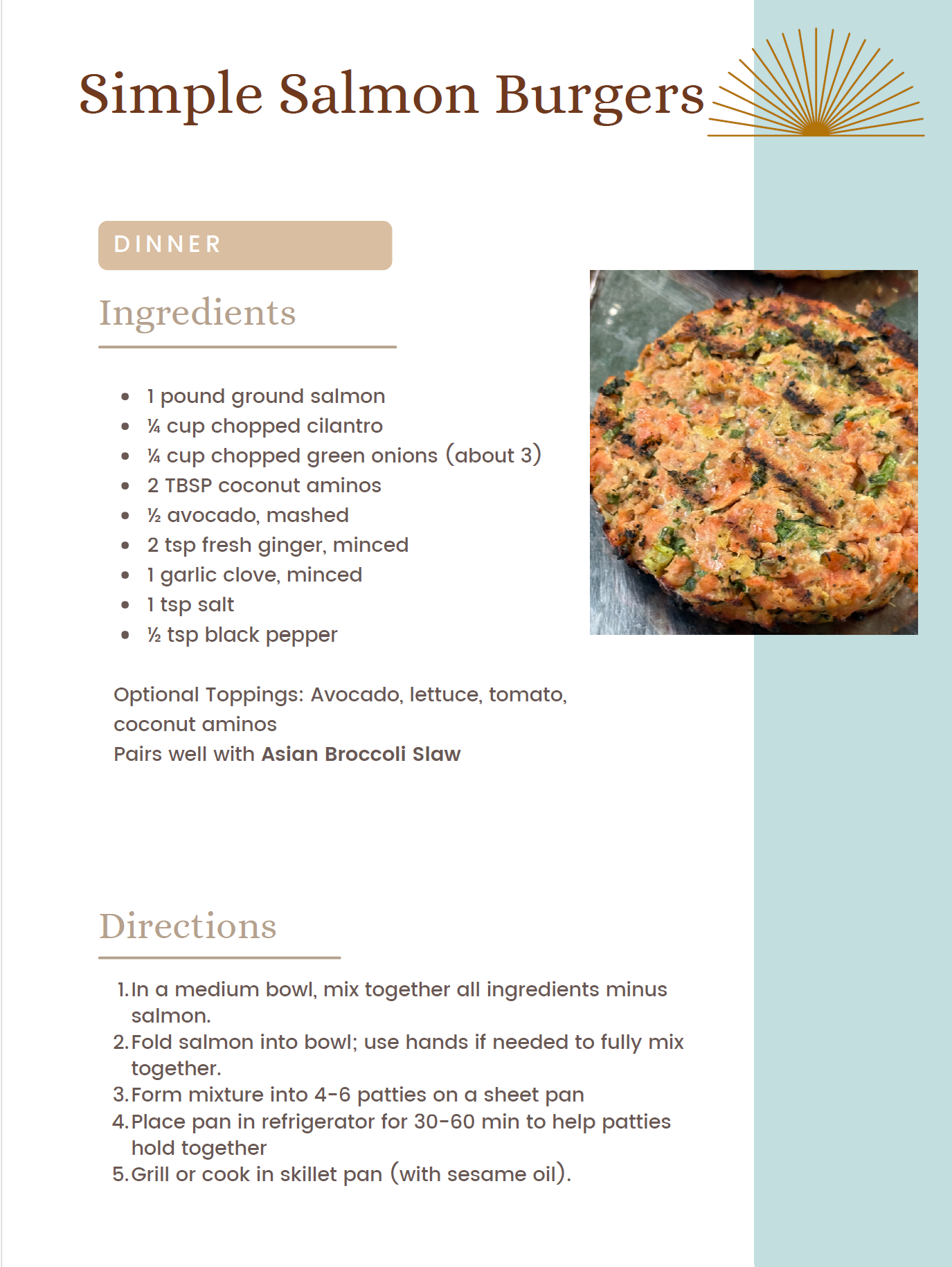
A fresh spin on salmon that the whole family will enjoy.
“My kids want that ultra-processed snack because all their friends have it. What can I do?”
This is such a common question — and I’m definitely still navigating it as a parent too!
I’ll be honest — I was the mom sending my kids to preschool with the healthier snack options. But over time I’ve also learned there’s a give and take. Kids live in the real world, and food is part of social experiences.
At home, I try to focus on a “fridge-first” mentality — pairing snack foods with something fresh whenever possible.
I also look for less processed versions of foods when I can. Fortunately there are many more options available today than there used to be.
Rather than focusing only on what to avoid, I try to frame food in terms of how it nourishes your body — helping kids understand that food gives them energy to play, learn, grow, and feel their best.
As my kids get older, I also try to help them tune into their bodies by asking questions like:
● What do you think your body needs right now to feel nourished?
● How does that food make you feel afterward — energized, full, still hungry?
I also believe that modeling healthy habits at home matters a lot. Even when it doesn’t seem like kids are listening, I do see signs that they’re absorbing more than we realize over time.
And I’ve learned that stressing too much about every bite isn’t helpful for anyone — including us as parents. Kids will encounter all kinds of foods in the real world, and part of our role is helping them build the awareness and tools to make thoughtful choices over time.
Any tips for getting my spouse/partner on board with a healthier lifestyle?
Ah, this can be a whole different ball game!
In many ways, it comes down to modeling and creating a supportive environment, rather than trying to force change.
With spouses especially, I’ve learned it’s important to remember they’re adults who ultimately get to make their own choices. I can offer ideas, share what I’m learning, and create healthier options at home — but it’s not realistic to expect to dictate someone else’s habits.
In fact, the more you push, the more someone may do the opposite, so I try to reserve my commentary and focus more on what I can control.
Often the biggest impact comes from the overall lifestyle you build as a family — things like prioritizing meals together, building movement into daily life, getting outside, prioritizing sleep, and learning how to manage stress.
Over time, those habits tend to influence everyone in the household naturally.
Simple Kitchen Swaps
What sweeteners would you avoid or limit? Which ones are better?
In general, I recommend limiting highly processed sweeteners, particularly high fructose corn syrup, which is commonly found in sodas, sweetened drinks, and many packaged foods.
I also suggest limiting artificial sweeteners such as:
● aspartame
● sucralose
● saccharin
● acesulfame potassium
At home, some sweeteners we tend to use more often include:
● honey
● date syrup
● blackstrap molasses
● sometimes allulose
I tend to choose these because they are less processed and generally have a lower glycemic impact compared with many refined sweeteners.
Another important point is that how you eat sweet foods matters too. Pairing something sweet with foods that contain protein, fiber, and healthy fats can help slow blood sugar spikes and support more stable energy levels.
What about cooking oils?
Different oils work best for different types of cooking.
Extra virgin olive oil is a great option for dressings or finishing foods. It’s rich in antioxidants and heart-healthy monounsaturated fats that are associated with reduced inflammation and better cardiovascular health.
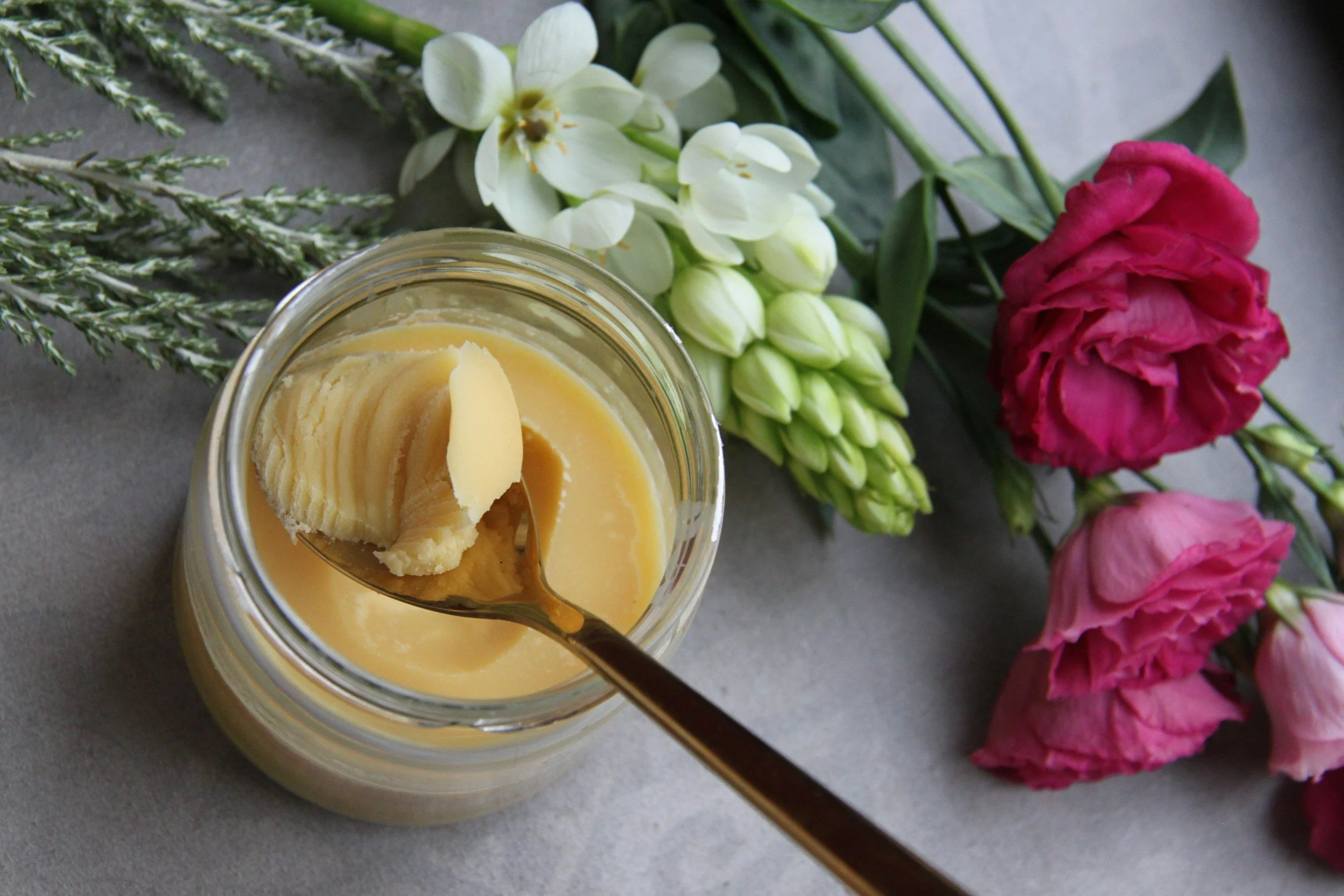
For higher-heat cooking, oils that are more heat-stable work better. In my kitchen I tend to cook with some of these as they tend to hold up better at higher temperatures:
● avocado oil
● coconut oil
● ghee
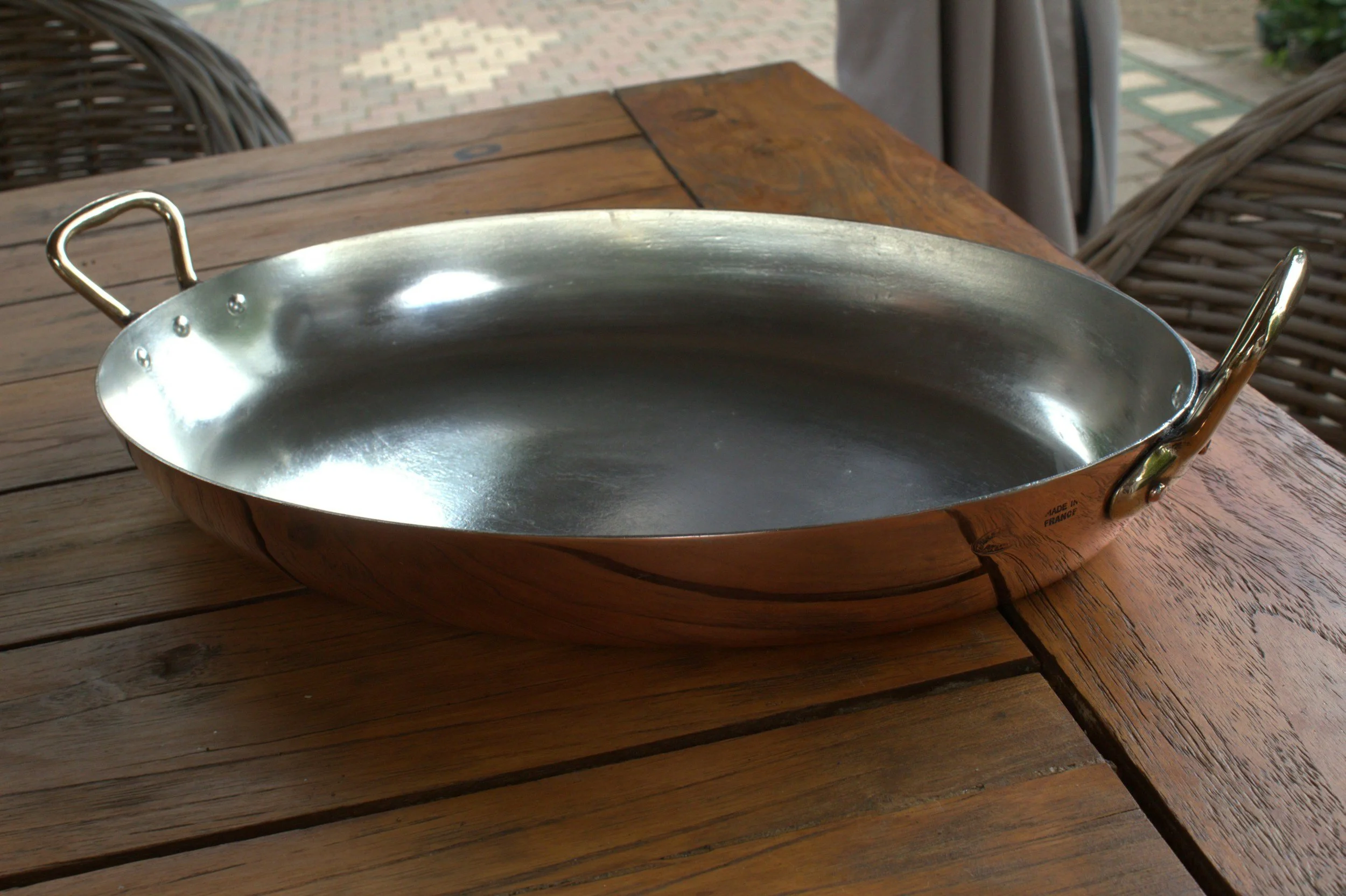
What cooking tools would you ditch? Can you offer some simple swaps?
Many people are surprised to learn that some cookware and kitchen materials can affect what ends up in our food — especially when heat is involved.
Some swaps I often suggest include limiting:
● non-stick coated cookware
● heating food in plastic containers
● plastic cooking utensils
Better alternatives include:
● stainless steel cookware
● cast iron pans
● glass storage containers
● wooden cooking utensils
If people want help making these swaps gradually, I also share a Kitchen Swaps guide with some of my favorite products and brands here: https://www.nefeshliving.com/resources
