Holistic Tips to Help Your Picky Eater: Q&A with Samantha Asher
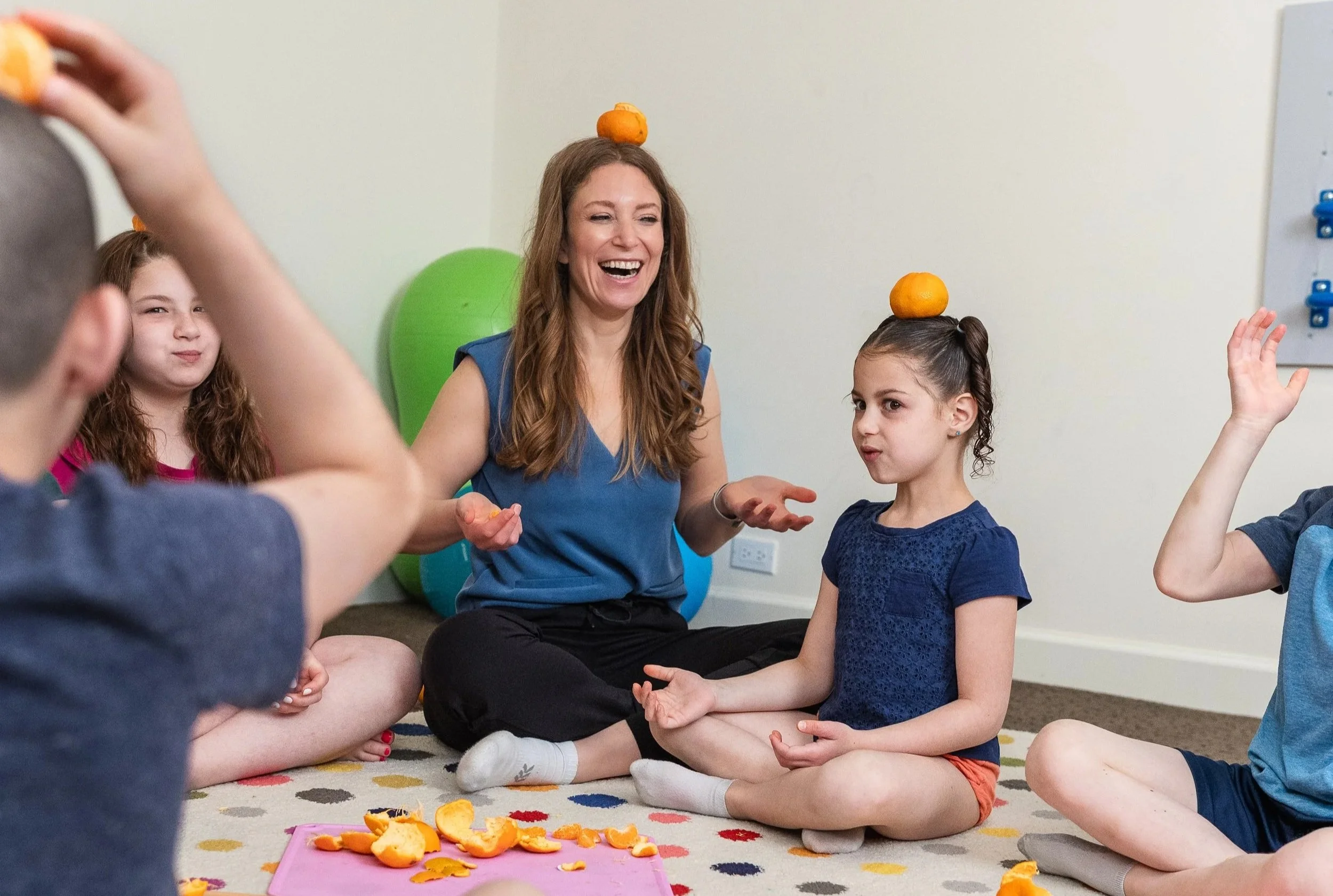
Samantha’s goal is to help make eating fun, not stressful, for kids. (Photo courtesy of Green Light Speech Therapy)
If you’re a parent (or just choose to hang out with us), you already know how… particular… young kids can be about their food. But while picky eating is common, that doesn't make it any less stressful. Sometimes, these feeding difficulties extend beyond everyday frustration and become a genuine health concern, such as a child struggling to gain weight.
While feeding therapists (who often double as speech therapists) routinely help families navigate selective eating, few take a truly holistic, whole-child approach like Samantha Asher, owner of Deerfield-based Green Light Speech Therapy.
I recently connected with Samantha over coffee and was instantly inspired by her unique methods. Not only does she incorporate specialized techniques like orofacial myofunctional therapy, but she also offers some surprisingly refreshing advice for families of picky eaters: start a garden and cook together.
Learn more about Samantha and Green Light Speech Therapy in our Q&A below.
Can you tell us about Green Light Speech Therapy?
Green Light Speech Therapy is a pediatric practice specializing in feeding, speech, and myofunctional therapy. We believe meaningful progress begins with trust, connection, and truly understanding each child’s unique needs. Our team of medically trained, holistically minded speech therapists combines clinical expertise with heart to help children build the skills needed to become joyful food explorers and confident communicators.

Photo courtesy of Green Light.
What is your background? What inspired you to start Green Light Speech Therapy?
I’m a speech-language pathologist who started on the medical side of the field but always felt drawn to a more holistic, whole-child approach. I started Green Light to create a place where children and families feel truly seen, supported, and empowered.
At Green Light, we combine evidence-based care with genuine connection across feeding, speech, and myofunctional therapy. We meet kids where they are, build trust first, and help children grow beyond what they imagined possible.
What strategies can families use at home to help selective eaters?
One of the most important things families can do for selective eaters is to take the pressure completely off. Children become more open to food when they feel safe, connected, and genuinely curious, not when they feel pushed or watched. Some of the most meaningful progress happens away from the dinner table through small, joyful moments like gardening together, cooking side by side, grocery shopping, or simply exploring food with no expectation that it will be eaten.
It can also help to move away from conversations about “good” vs. “bad” foods or “will you eat it?” Instead, invite your child to interact with food in playful, low-pressure ways. Talk about foods using “science words” like color, shape, smell, texture, crunchiness, or temperature. Ask things like, “Do you think this feels hard or soft?” or “What does this smell like?” Positive interaction with food is a huge step forward and one that should never be overlooked. When children feel safe around food first, eating often follows naturally over time..
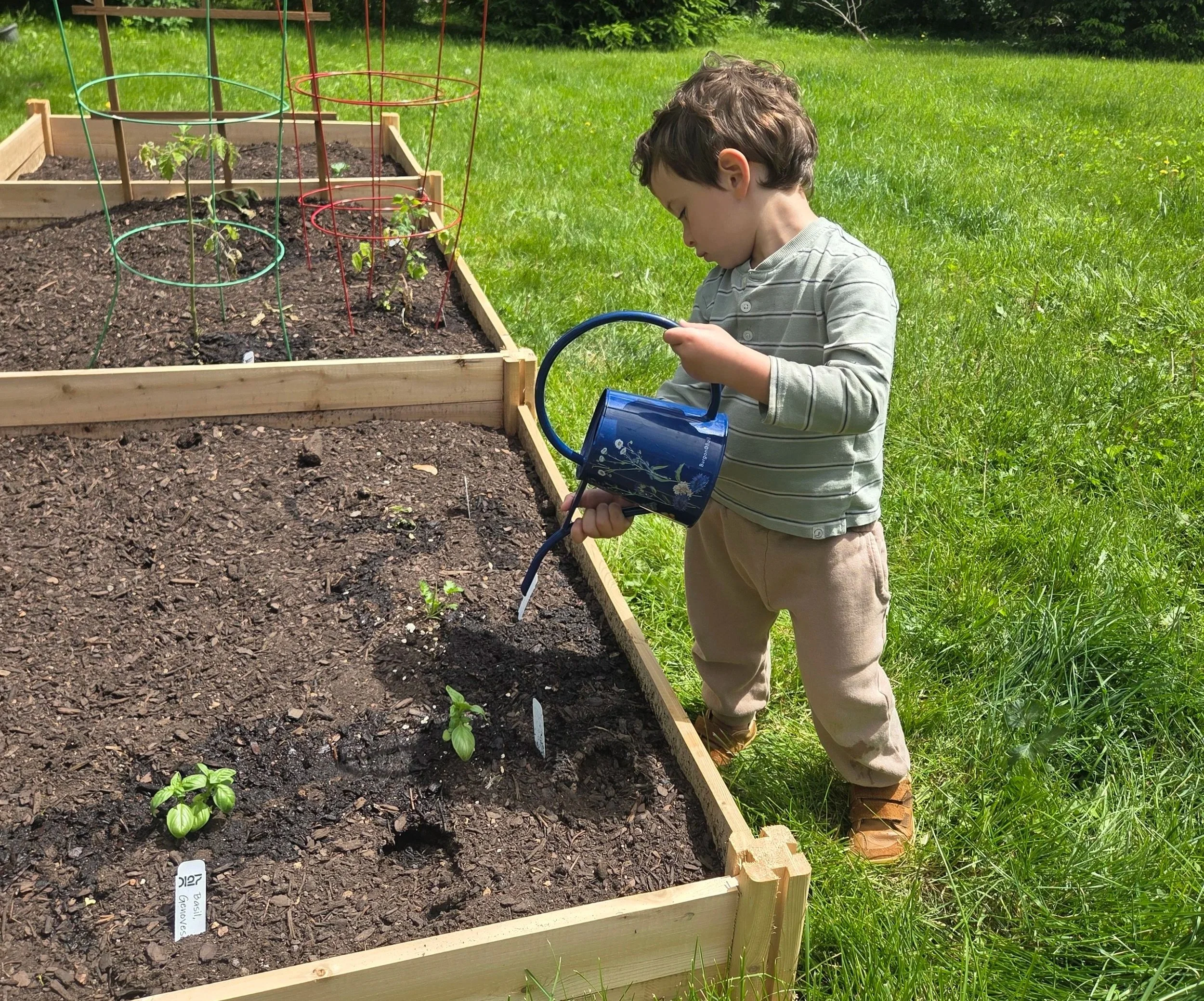
Getting kids involved in growing food builds comfort, confidence and connection.
How do you incorporate gardening and cooking into feeding therapy?
At Green Light, we believe that positive interaction with food comes before eating. Gardening and cooking give children a fun, no-pressure way to explore food through touching, smelling, planting, washing, cutting, and creating.
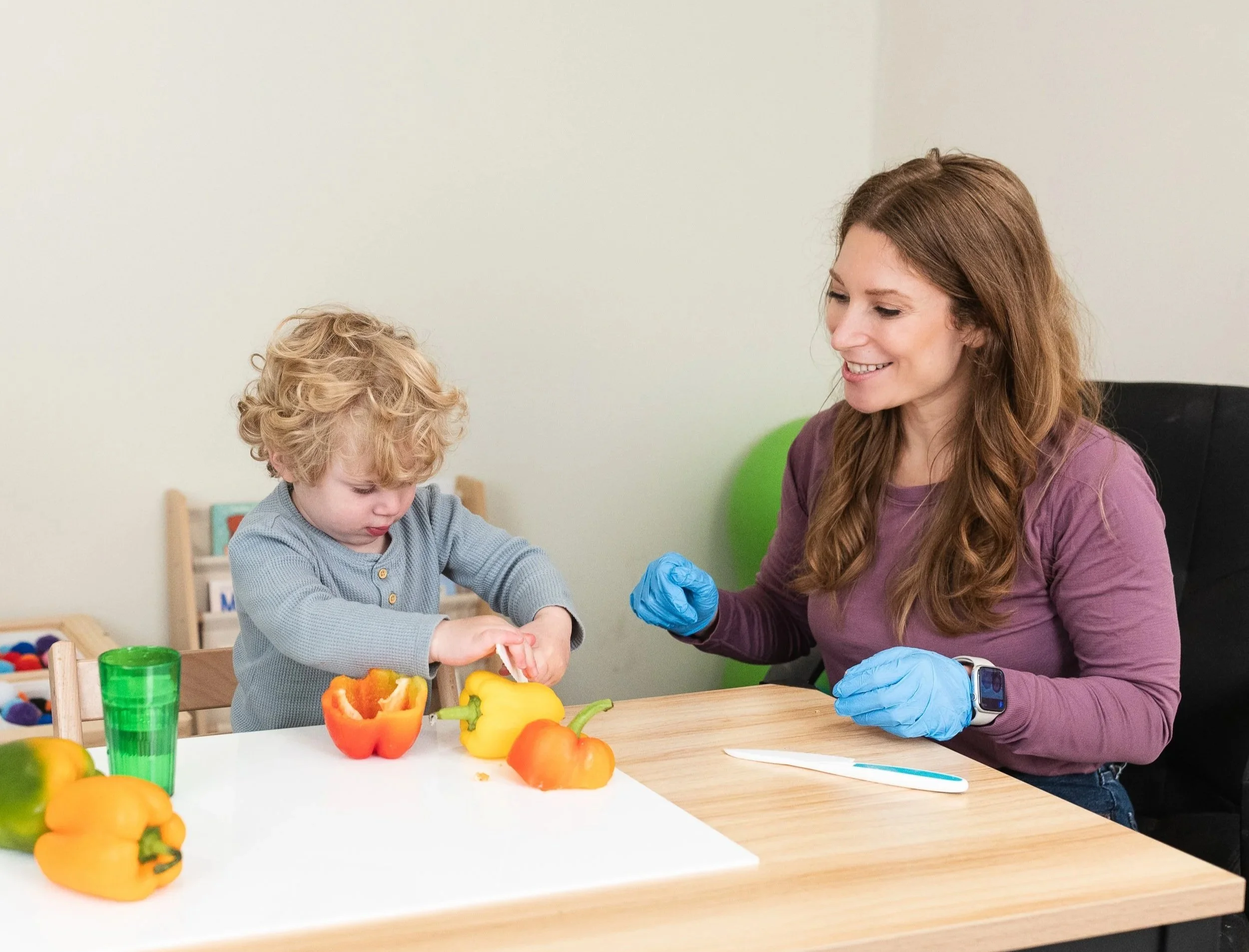
Early introduction to cooking skills can be a wonderful tool to help selective eaters. (Photo courtesy of Green Light)
When kids interact with food in positive, meaningful ways, they often become more comfortable, curious, and confident around it. These experiences help build trust, reduce pressure, and create the foundation for more successful eating over time.
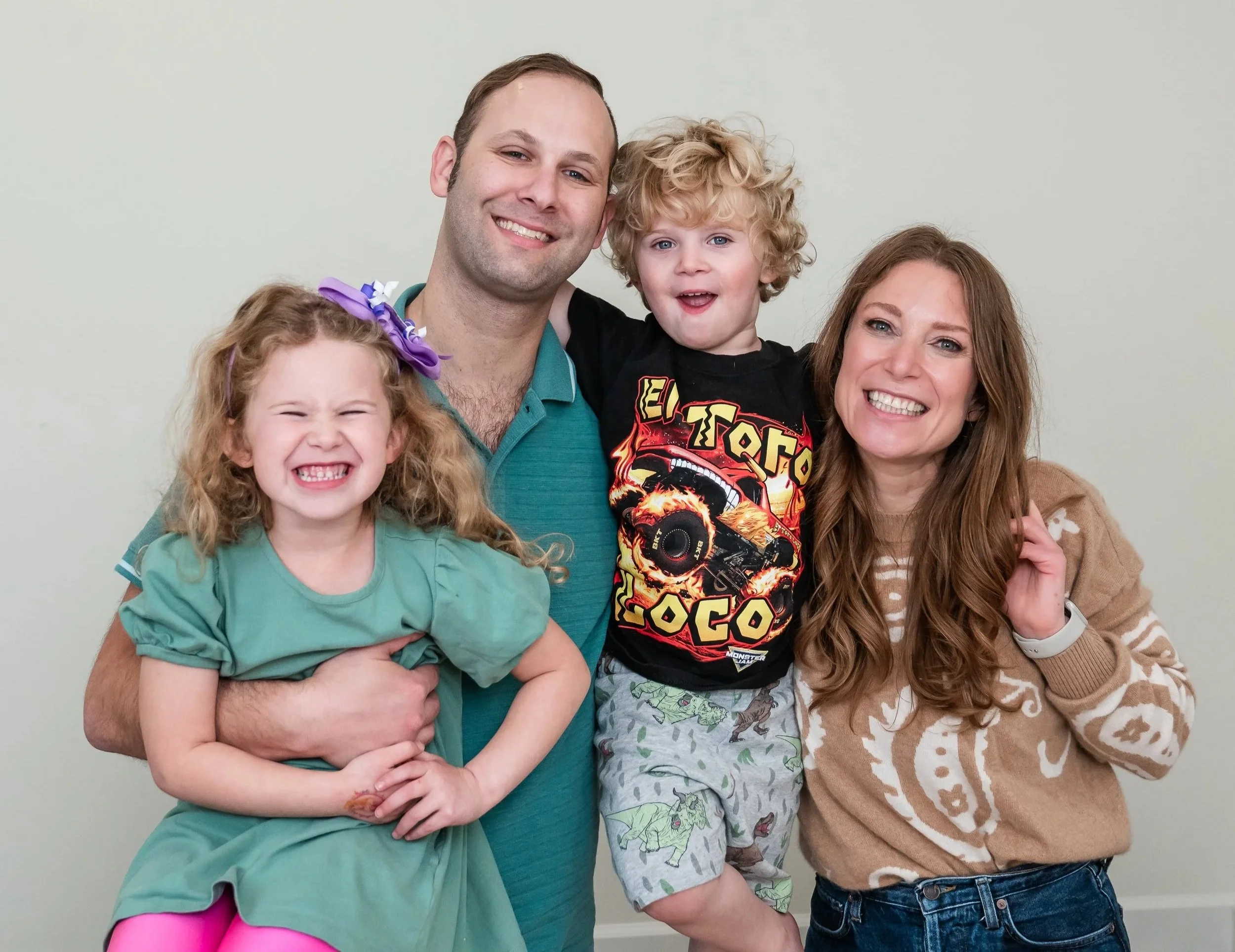
Photo courtesy of Green Light.
Where does your personal passion for gardening and growing food come from?
My passion for gardening and growing food comes from wanting to create activities that are genuinely enjoyable for both me and my kids. My children have always loved cooking with me, so introducing them to gardening felt like a natural next step. One day, we pulled seeds out of a pepper we had at home and decided to plant them—and the whole house became excited.
Watching food grow created so much curiosity, connection, and joy. It reminded me how powerful positive experiences with food can be, especially for children.

Myofunctional therapy can help with a variety of speech and feeding challenges. (Photo courtesy of Green Light Speech Therapy.)
What is Orofacial Myofunctional Therapy, and who is it for?
Orofacial Myofunctional therapy (OMT) helps build the foundation for healthy speaking, eating, and breathing. Just like a house needs a strong foundation, children need the muscles of the mouth and face working together in the right way to support growth and development.
OMT can help children who struggle with speech, picky eating, chewing, mouth breathing, drooling, thumb-sucking, tongue thrusting, or oral habits. At Green Light, we use fun, individualized activities to help kids build stronger oral-motor skills so they can feel more confident and successful in everyday life.
Come Forage and Feast with Us!
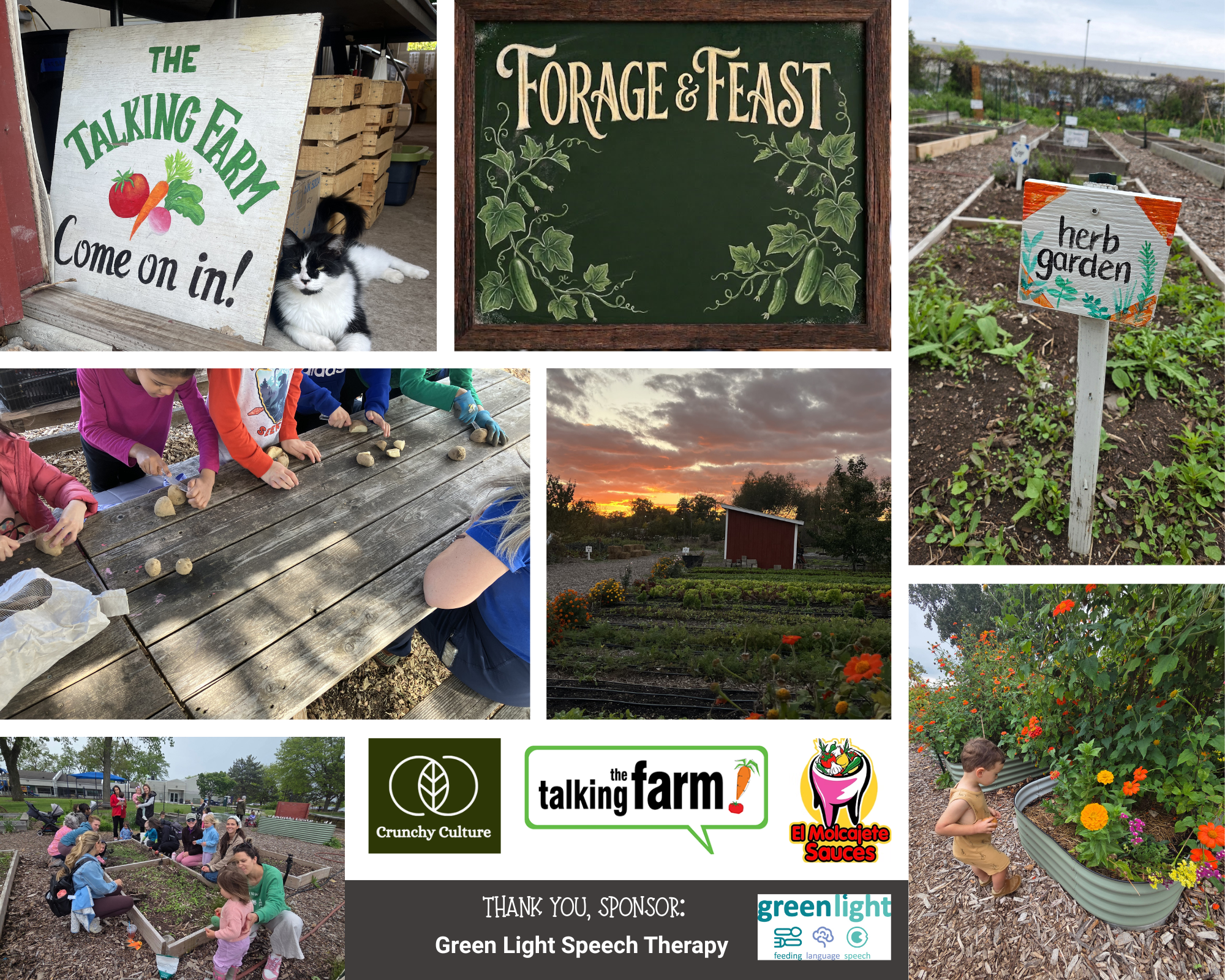
Green Light Speech Therapy is a proud supporter of Crunchy Culture’s Forage and Feast immersive farm dinner for families. Join Samantha and her family at The Talking Farm on Saturday, June 27, where you and your little ones will harvest, feast, and connect with your food in a whole new way.
